
Research that shapes how we plan rehab and training
Exercise sits at the centre of how Adapt's physiotherapists and coaches plan rehab and training in North Sydney. This page summarises the published research behind that approach in plain language, with every source linked and the limits of the evidence stated, and lists research published by members of the team.
Why strength work starts early in the plan
Your physiotherapist plans strength work into most rehab programs, and the coaching team helps you carry it out on the gym floor. The summaries below set out the research behind that approach, including where the evidence is still mixed.
How gym-based physio works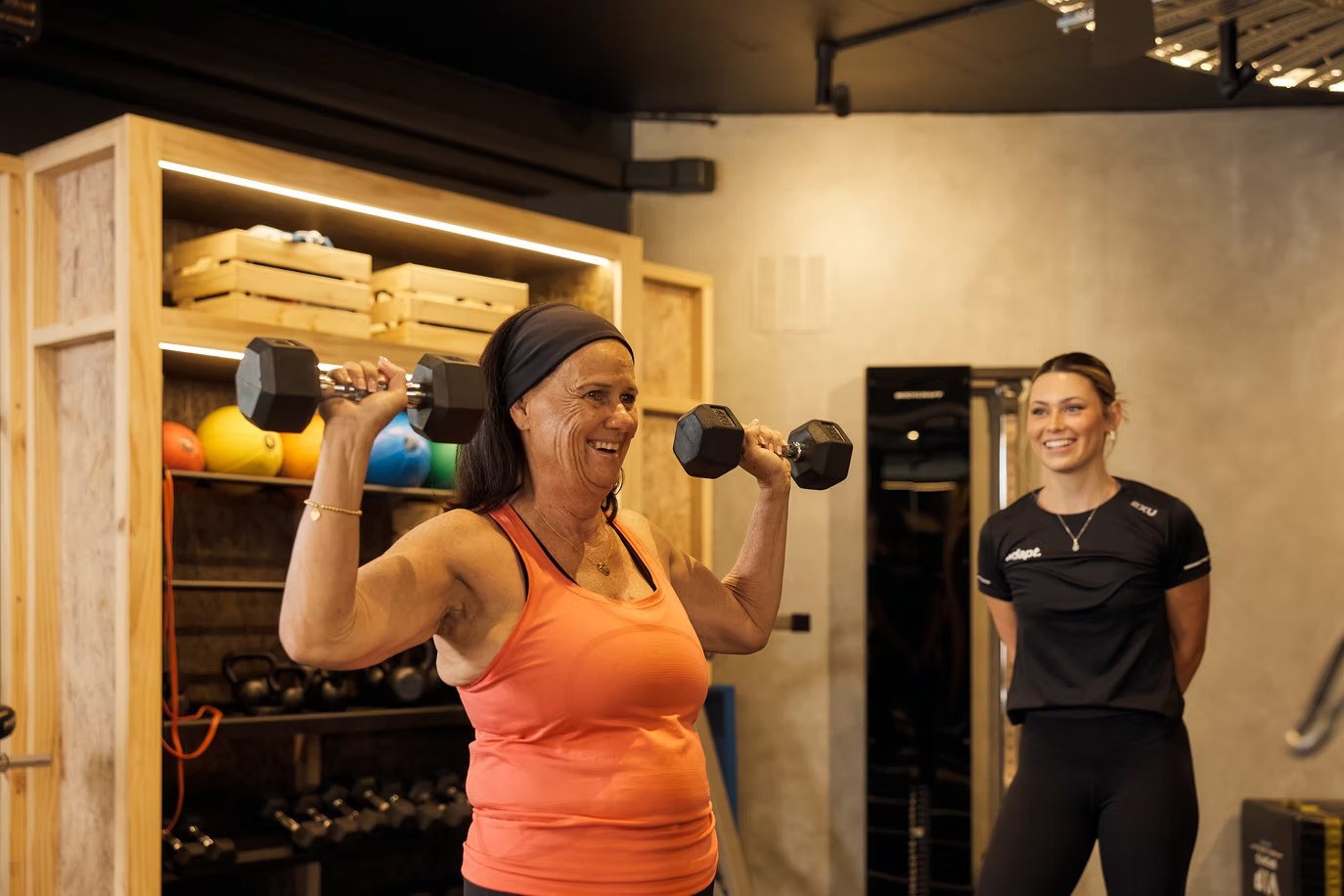
Research summaries
Each summary links its source. Research describes groups of people, so your physiotherapist decides what applies to you.
- Exercise for persistent back pain
- A 2021 Cochrane review of 249 randomised trials, led by Jill Hayden, studied exercise therapy for chronic non-specific low back pain. Pain scores were lower than with no treatment, usual care or placebo, while function changed less than the authors' threshold for a clinically important difference. Many trials were at risk of bias, and Australia's 2022 Low Back Pain Clinical Care Standard notes that no one form of exercise has been shown to be better, so a program is matched to the person, as on our back pain and sciatica page.
- Muscle-strengthening activity and ageing
- Australia's 24-hour movement guidelines recommend muscle-strengthening activities on 2 or more days per week, alongside aerobic work a personal training plan can include. A 2022 systematic review of 16 cohort studies, led by Haruki Momma, found muscle-strengthening activity was associated with lower risk of death, cardiovascular disease, total cancer and diabetes. These are observational associations rather than proof that lifting lengthens life, and the largest associations appeared at about 30 to 60 minutes a week. Combined strength and aerobic activity was associated with a lower risk again.
- Testing after ACL reconstruction
- A 2016 guideline from van Melick and colleagues recommends a battery of strength tests, hop tests and movement quality after ACL reconstruction, with rehabilitation typically continuing for 9 to 12 months. A 2019 scoping review by Burgi and colleagues found time since surgery was the most common criterion, often used alone, and that whether those tests predict a successful return is largely unknown. These findings come from athletes and selected cohorts, including a 2016 Delaware-Oslo study by Grindem and colleagues, so they inform the conversation rather than set a pass mark for ACL rehab.
- Loading programs for tendon pain
- A 2013 systematic review in Sports Medicine, led by Peter Malliaras, compared loading programmes for Achilles and patellar tendinopathy. Isolated eccentric training is widely used, yet the review found limited and conflicting evidence that it is better than other loading, and noted that some people do not respond. Combined concentric-eccentric and heavy-slow resistance loading had equivalent or stronger supporting evidence in the studies included. The authors described a shortage of high-quality trials and recommended considering mixed loading rather than isolating the eccentric component, which a physiotherapist sets from assessment.
Does research mean exercise will help me?
No. Research describes groups of people, not you, so a finding on this page does not mean the same result will happen for you. Your physiotherapist assesses you and decides what fits.
Book a physioPublished research from the Adapt team
- Body image concerns in individuals with endometriosis and chronic pelvic pain conditions: a systematic review and meta-analysis
Body Image, 2026
- Body image, self-compassion, and sexual distress in individuals living with endometriosis
Journal of Psychosomatic Research, 2023
- Delineating sociodemographic, medical and quality of life factors associated with psychological distress in individuals with endometriosis
Human Reproduction, 2021
Measuring change at your reviews
When a measurement will inform the next block, physiotherapy reviews at Adapt can include VALD ForceDecks and ForceFrame testing, comparing left and right sides and change over time. The numbers sit beside the clinical review rather than standing in for it.
How we test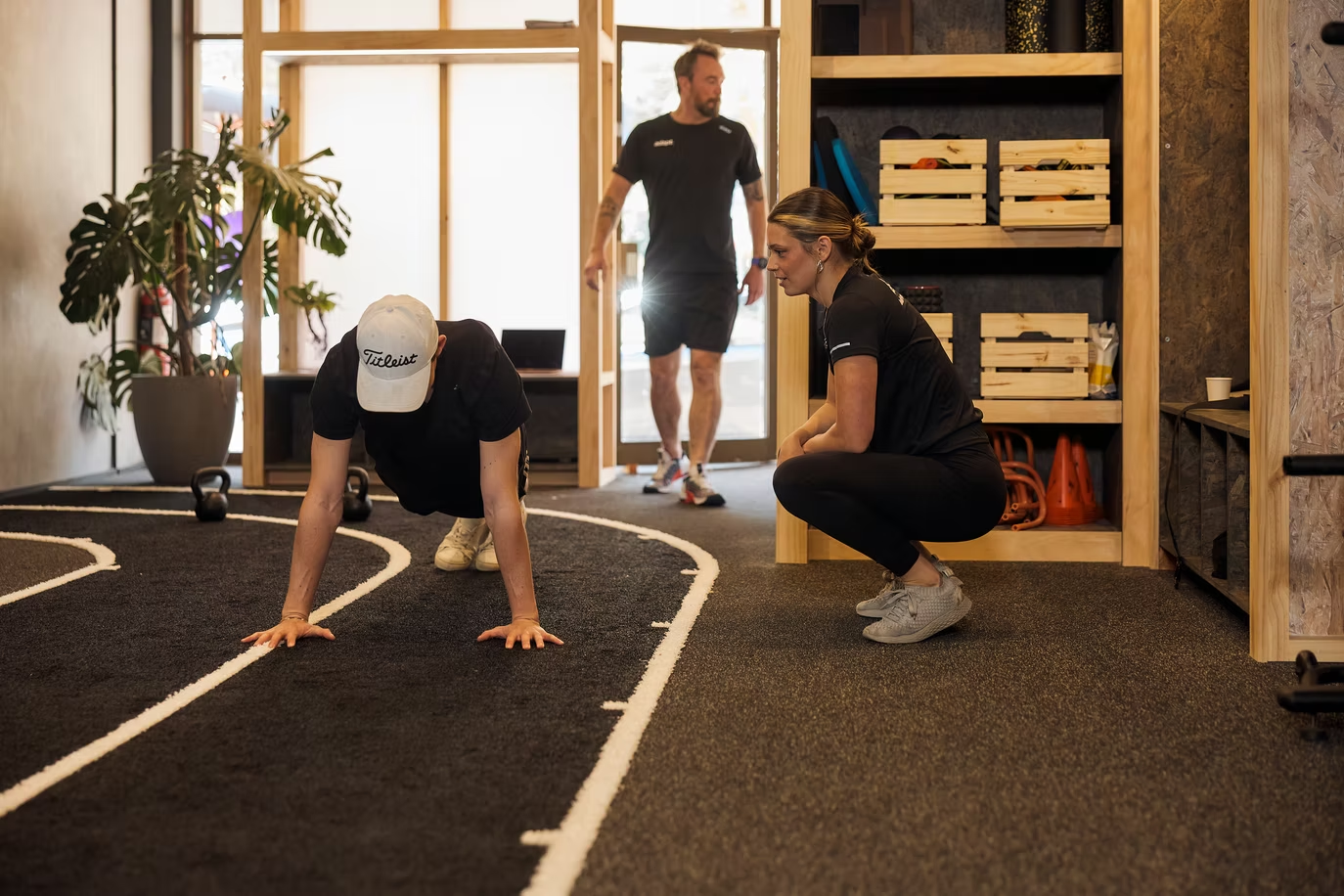
Who plans your program
Programs are written by the physiotherapists and coaches below, drawing on the published research of Dr Carla Sullivan-Myers.
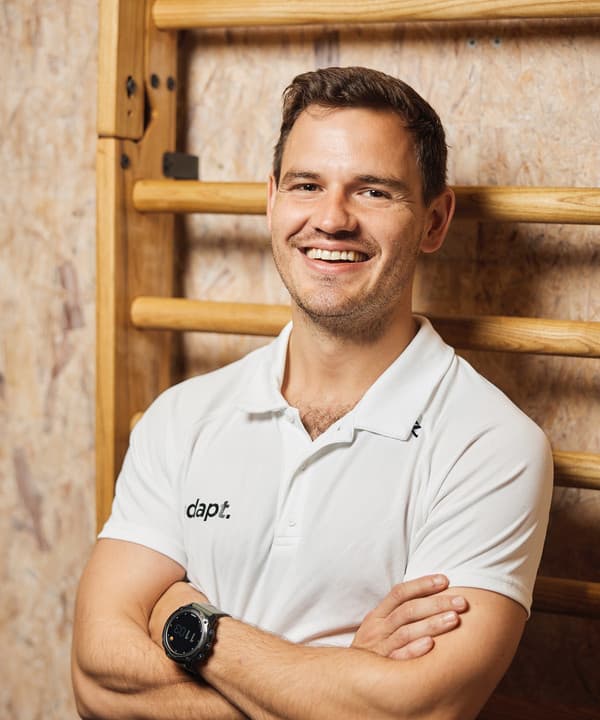
Reads the cited exercise evidence into a weekly program after assessing your presentation.
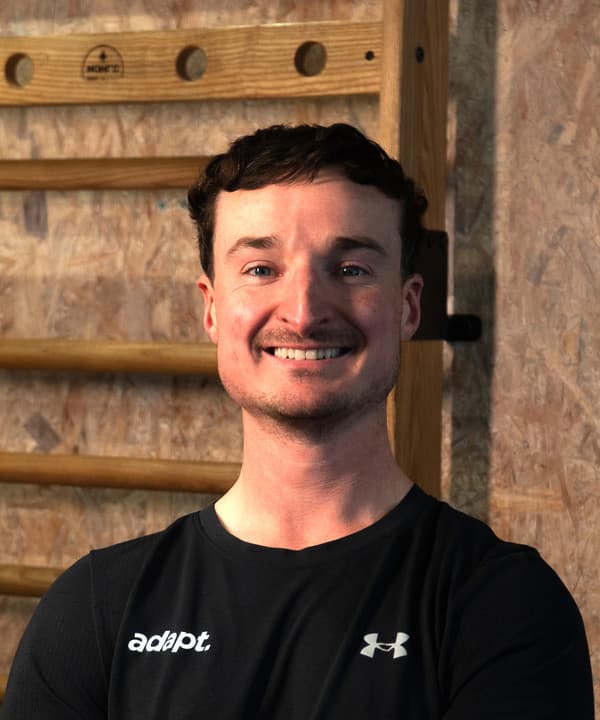
Uses strength and hop findings from reviews when they will change the next loading block.
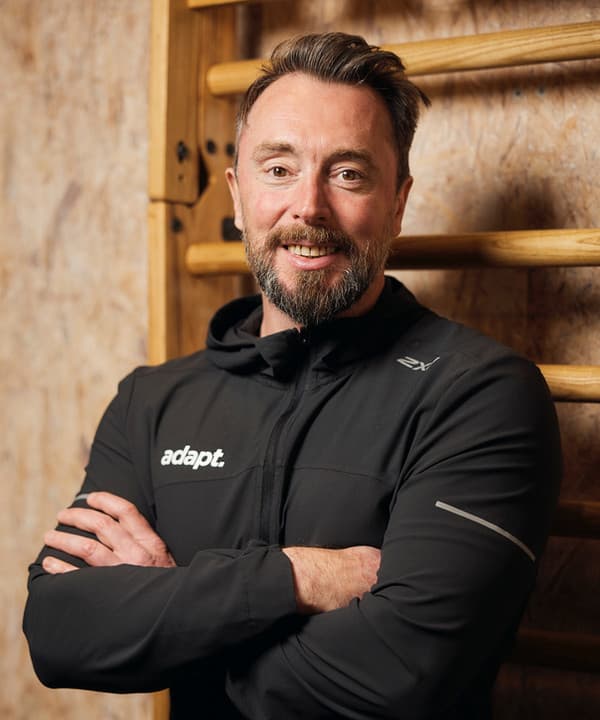
Coaches the loading the physiotherapist wrote, progressing it on the gym floor between reviews.
Where this research shows up at Adapt
Each topic below links the Adapt page that uses this evidence.
Persistent back pain
Exercise matched to you after assessment, rather than a single prescribed routine.
Strength after 40
Muscle-strengthening work planned into a week you can keep, on your own or with a coach.
ACL rehab
Strength and hop testing used as one input to the next phase, not as a pass mark.
Tendon loading
Progressive loading chosen after assessment, using mixed methods rather than one default.
Questions about the research
Book a physioCan I exercise while I am in pain?
Often yes, with the type and load adapted to what you tolerate after a physiotherapy assessment. Research on back pain supports staying active rather than long bed rest for most people, and your physiotherapist checks for anything that needs other care first.
How much strength training do adults need?
Australia's physical activity guidelines recommend muscle-strengthening activities on 2 or more days per week. That is a general adult target, not a rehab prescription, and your physiotherapist or coach sets what fits you from assessment.
Is it worth starting strength training later in life?
Yes. Australia's guidelines still recommend muscle-strengthening activities on 2 or more days per week later in adult life, and the 2022 cohort review included adults from age 18 up. A coach or physiotherapist sets the starting point from where you are now.
Can strength testing predict another injury?
No. A 2019 scoping review found that whether return-to-sport tests predict a successful return is largely unknown, and no single test decides that question. Adapt uses testing when a measurement will inform the next block, read with the clinical review. See how we test.
Where can I read the full studies?
Each summary on this page links its source. Abstracts are free on PubMed, and some full texts need a subscription or university access. Team publications are listed with their PubMed links.
Should I rest a sore back?
For most back pain, Australia's care standard advises staying active and continuing usual activities, including work, as soon as you can, and discourages prolonged bed rest. A physiotherapist checks for signs that need medical review first. See back pain and sciatica care.
Ask the team about the research
Send your question and a physiotherapist or coach will reply.
Registered physiotherapists
Every physiotherapist at Adapt is registered with the Physiotherapy Board of Australia, and you can look up any of our clinicians on the public register.
Check the AHPRA register