
Exercise therapy for chronic low back pain: what the evidence says
Australia's Low Back Pain Clinical Care Standard recommends staying active and exercise matched to the person, and a 2021 Cochrane review found moderate-certainty evidence that exercise reduces chronic low back pain more than no treatment or usual care, with modest average effects. At Adapt in North Sydney, a physiotherapist assesses your back and builds the exercise plan around your work, training and daily demands.
Updated 21 October 2026
What Australia's care standard recommends first
The Low Back Pain Clinical Care Standard, published by the Australian Commission on Safety and Quality in Health Care in 2022, asks clinicians to encourage people to stay active and return to usual activities, including work, as soon as they can, and describes prolonged bed rest as harmful. It reserves imaging for signs of serious pathology and notes that the evidence does not show one form of exercise is better than another, so a program should fit the person's preferences and goals.
Physiotherapy at Adapt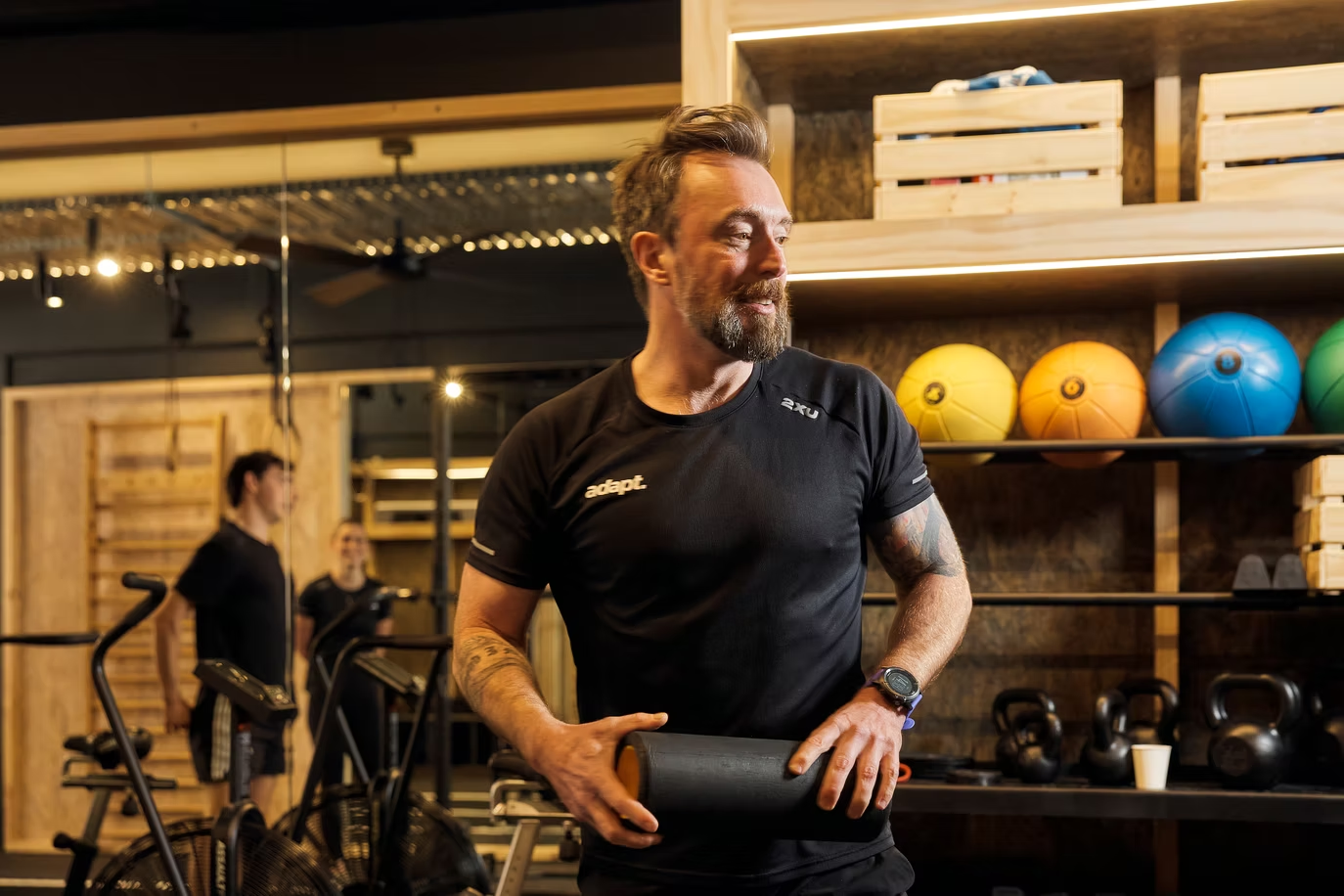
What the Cochrane review found
Cochrane's 2021 review of exercise therapy for chronic low back pain, led by Jill Hayden, pooled 249 randomised trials. It found moderate-certainty evidence that exercise reduced pain compared with no treatment, usual care or placebo, and improved function, although the average differences were modest.
Compared with other conservative treatments the differences were smaller, and no single type of exercise stood out. That matches the Australian standard, which asks for exercise chosen around the person's preferences and progressed as their tolerance grows.
Most trials measured change over weeks to months and results varied between people, so reviewing how your symptoms and capacity respond is part of the plan from the start.

What an Australian walking trial added
The WalkBack trial, published in The Lancet in 2024 and run in Australia with adults who had recently recovered from low back pain, found an individualised, progressing walking program with education gave a longer time before pain returned than no intervention. Walking can be one part of a plan your physiotherapist builds.
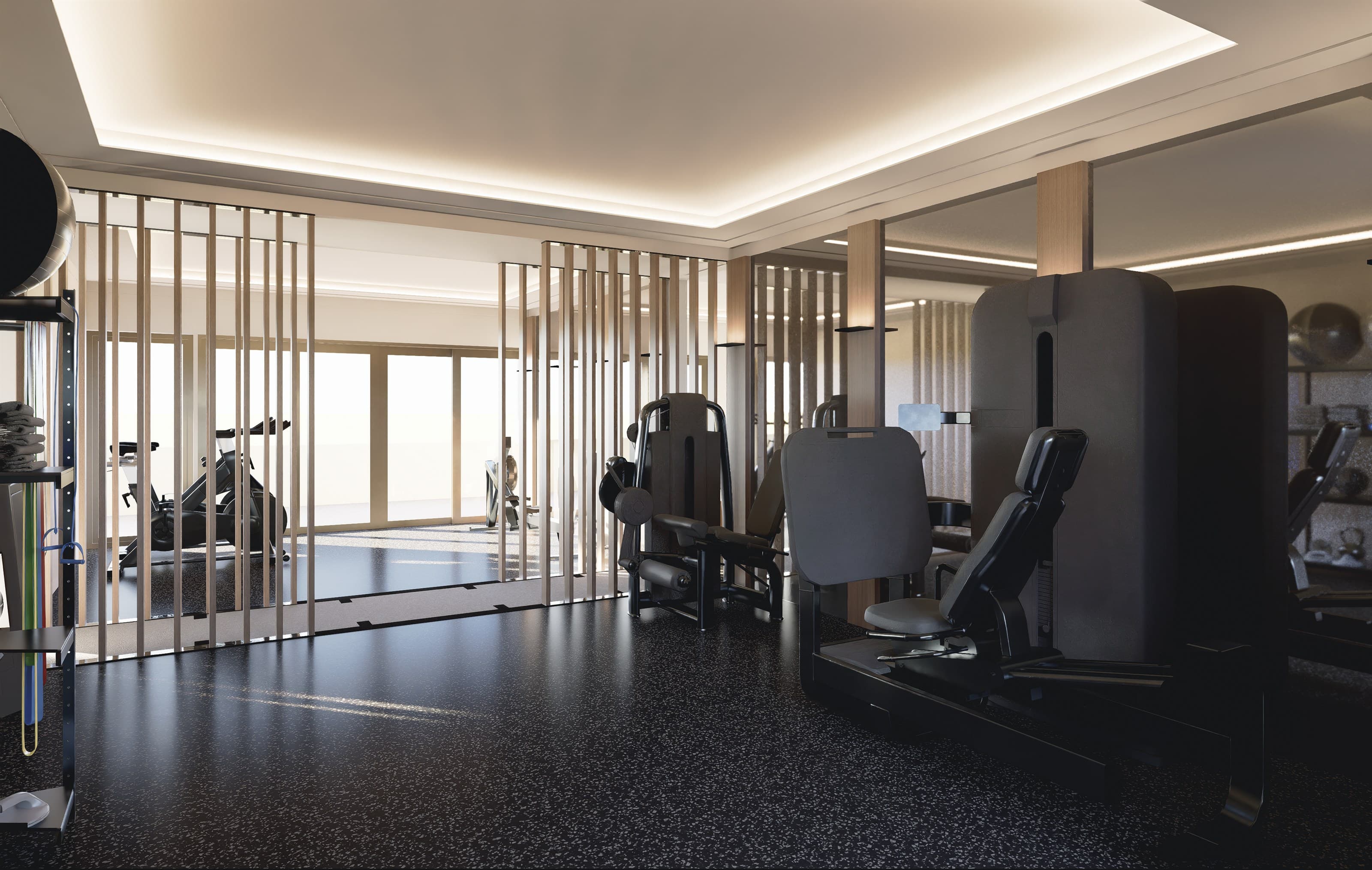
Gym-based physiotherapyWhat a back pain exercise program can include
A physiotherapist chooses from these parts after assessment, matched to the work, training and daily tasks you need to manage.
Movement and mobility
The movements that stay available, and the ones that need to be introduced gradually after assessment.
Strength through the trunk, hips and legs
Loading chosen around your presentation, then progressed as tolerance grows.
Walking and aerobic work
Steady activity such as walking, used as one part of the plan when it fits.
The tasks that matter to you
Work, training and daily demands the program is written around, rather than a generic routine.
Physiotherapists who plan back pain exercise
Sam Baylis and John MacAuliffe are registered physiotherapists. They assess chronic low back pain and write the exercise plan, and you can check current registration on the public register.

Assessment and exercise programming for chronic low back pain, informed by a strength and conditioning background.
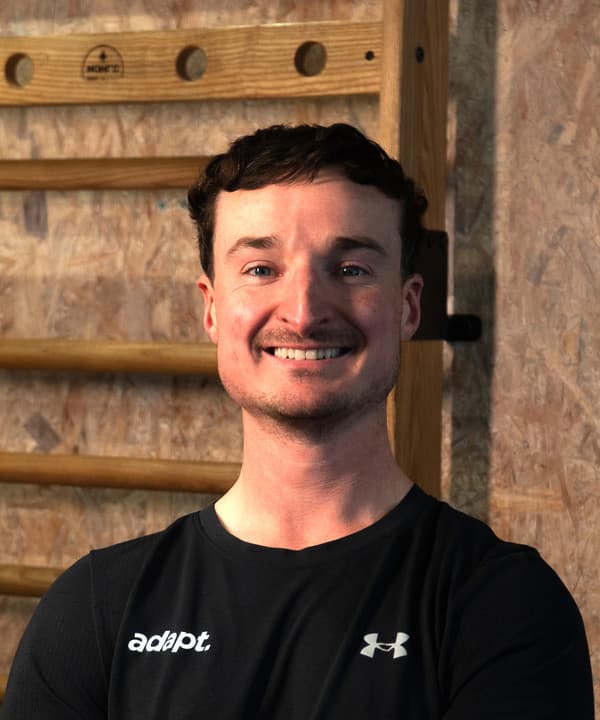
Graded loading for back pain, planned with the coaching team when gym-based sessions fit.
Should I rest until my back pain settles?
The Low Back Pain Clinical Care Standard advises staying active and continuing usual activities, including work, where you can, because prolonged bed rest is harmful. A physiotherapist can set what to keep doing and how to grade it, and new warning signs need medical review rather than more rest.
Common beliefs and what the evidence supports
These beliefs come up often, and the national standard plus the Cochrane review point to a different starting point.
| Common belief | What the evidence supports | |
|---|---|---|
| Rest | Rest until it settles | Stay active and keep up usual activities where you can |
| Scans | A scan will find the cause | Imaging is kept for signs of serious pathology |
| The right exercise | One exercise suits every back | No single type is better, so the program is matched to you |
| Progress | More is always better | Load is progressed as tolerance grows |
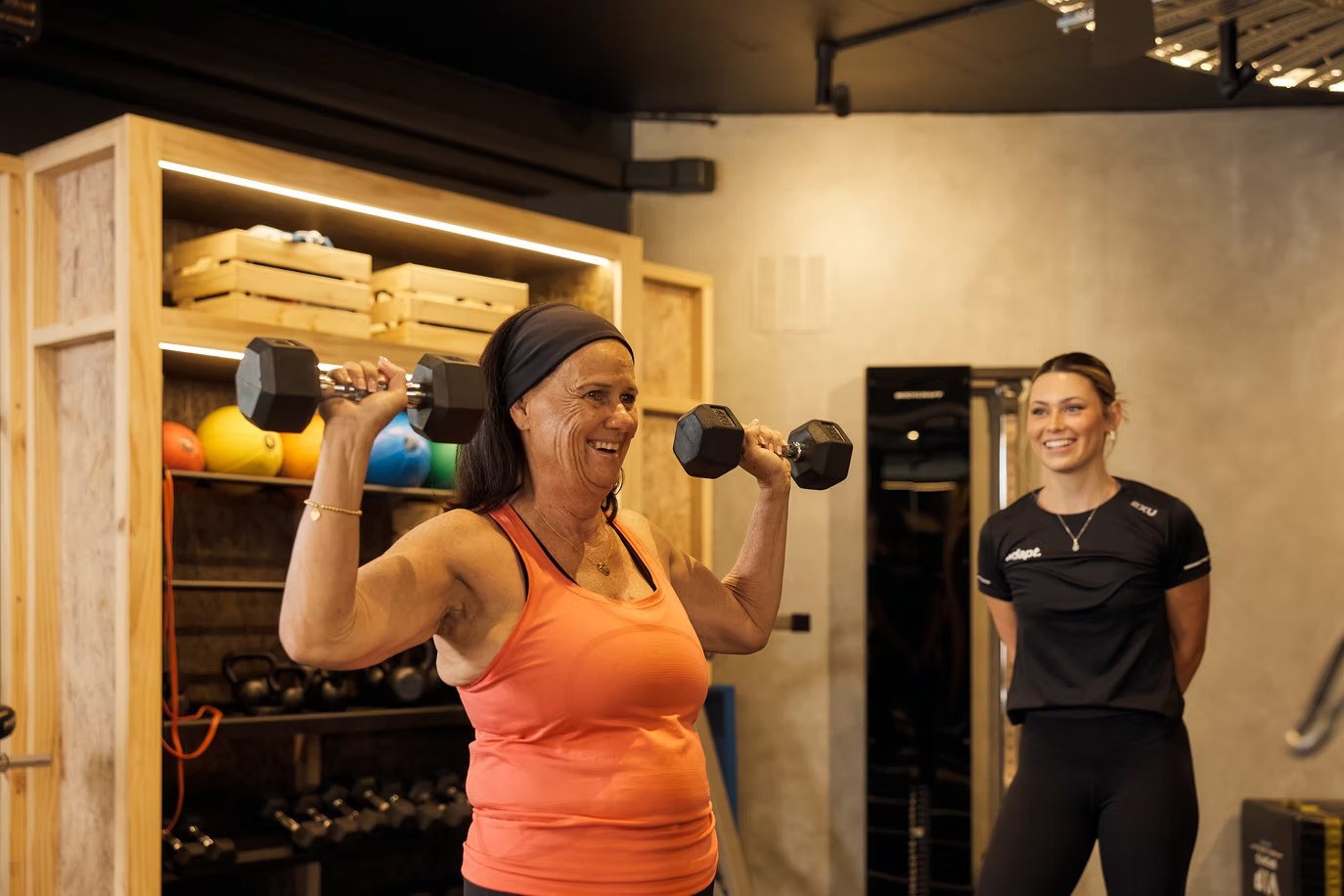
Loading progressed on a gym floor
When supervised work fits the plan, gym-based sessions let your physiotherapist progress load with coaching, and John MacAuliffe plans that progression with the coaching team.
Gym-based physiotherapy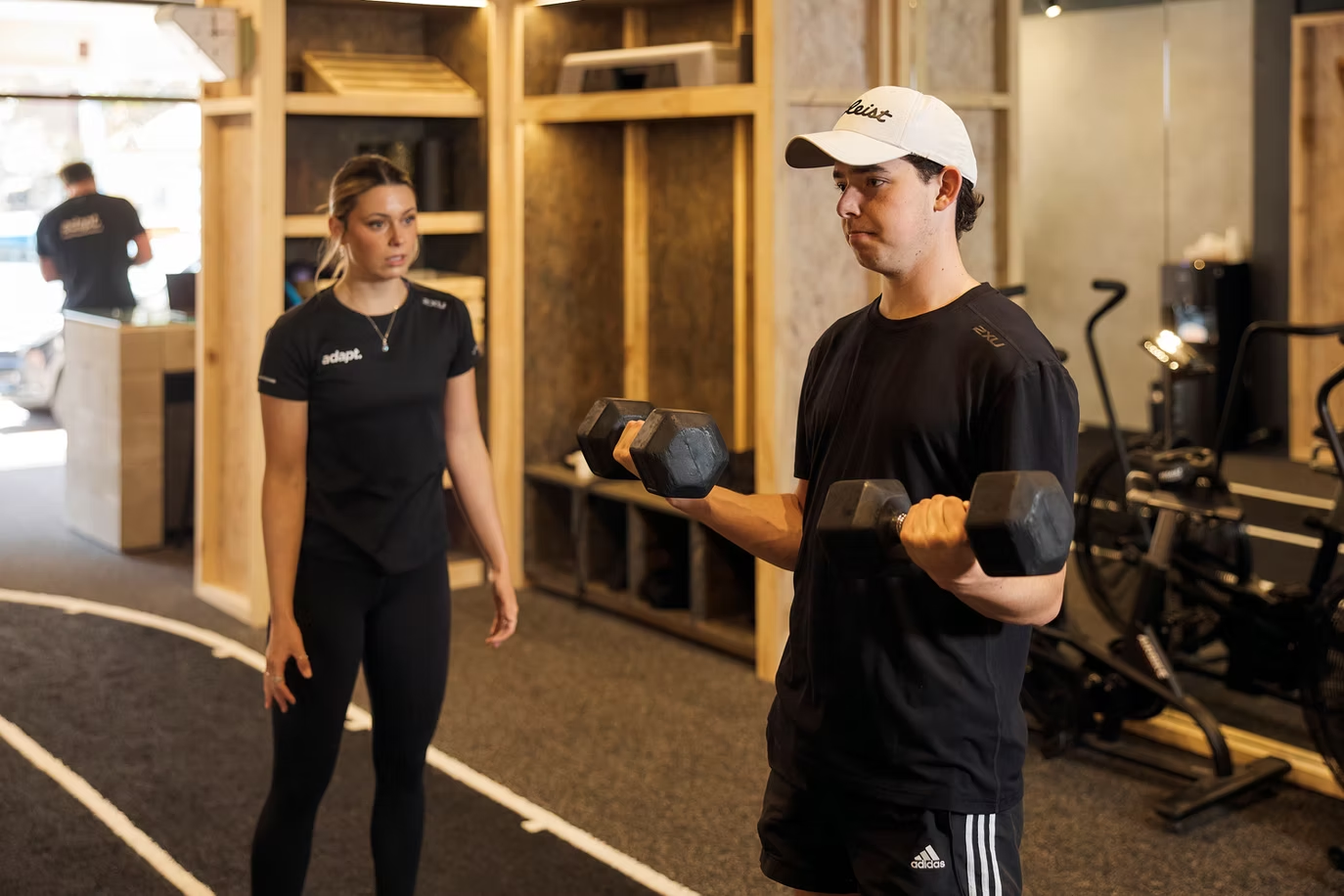
When exercise is not the first step
The Low Back Pain Clinical Care Standard asks clinicians to check for signs of serious causes first. Seek urgent medical care for loss of bladder or bowel control, numbness around the groin, or rapidly worsening leg weakness.
See your GP for back pain with fever, unexplained weight loss or a history of cancer. Your physiotherapist screens for these at assessment and refers on when needed. If you are unsure which path to take, contact the team.
Do I need a referral to see a physio for back pain?
No, you can book physiotherapy at Adapt directly. Bring any GP letters or imaging you already have, and get a referral first only if your health fund or a GP plan requires one. Fees are confirmed before you book and may be claimable on extras that include physio.
See fees and rebatesQuestions about exercise for back pain
Book a physioWhat is the best exercise for chronic low back pain?
No single type of exercise is best for chronic low back pain. Australia's care standard and Cochrane's 2021 review support a program matched to your preferences and the tasks you need to do, then progressed as your tolerance grows.
Can I lift weights with chronic low back pain?
Many people can lift weights with chronic low back pain when load is chosen after a physiotherapy assessment and progressed gradually. Some lifts may be adjusted for a time, and supervised gym-based sessions can be used when that loading fits the plan.
How long does it take for exercise to help back pain?
There is no fixed timeframe. Cochrane's 2021 review measured change over weeks to months, and results varied between people, so your physiotherapist reviews how symptoms and capacity respond rather than setting a date.
Is walking good exercise for low back pain?
Walking can be part of a back pain plan. The WalkBack trial in The Lancet in 2024 found an individualised, progressing walking program with education lengthened the time before pain returned in adults in Australia who had recently recovered.
What if I have had back pain for years?
Cochrane's 2021 review studied chronic low back pain, including people whose symptoms had lasted years. An assessment at Adapt starts from your current capacity rather than how long the pain has lasted.
Can starting exercise increase my back pain at first?
Symptoms can rise for a short time when activity increases, so a graded plan keeps changes small, and a change in the pattern of symptoms is a reason to contact your physiotherapist. Cochrane's 2021 review reported mostly minor unwanted effects such as muscle soreness.
Ask about a back pain program
Tell us about your back pain and what you need the program to fit around, and the team can suggest a first physiotherapy appointment.
Sources
- Low Back Pain Clinical Care Standard
Australian Commission on Safety and Quality in Health Care, 2022
- Exercise therapy for chronic low back pain
Cochrane Database of Systematic Reviews, 2021
- Effectiveness and cost-effectiveness of an individualised, progressive walking and education intervention for the prevention of low back pain recurrence in Australia (WalkBack): a randomised controlled trial
The Lancet, 2024