
Can physio help sciatica? Yes, here is how
Physiotherapy can help many back pain and sciatica presentations by assessing what is contributing to the symptoms, deciding what activity is appropriate and building a graded plan around your daily demands. Adapt provides that assessment in North Sydney, with gym-based support available when it fits the plan.
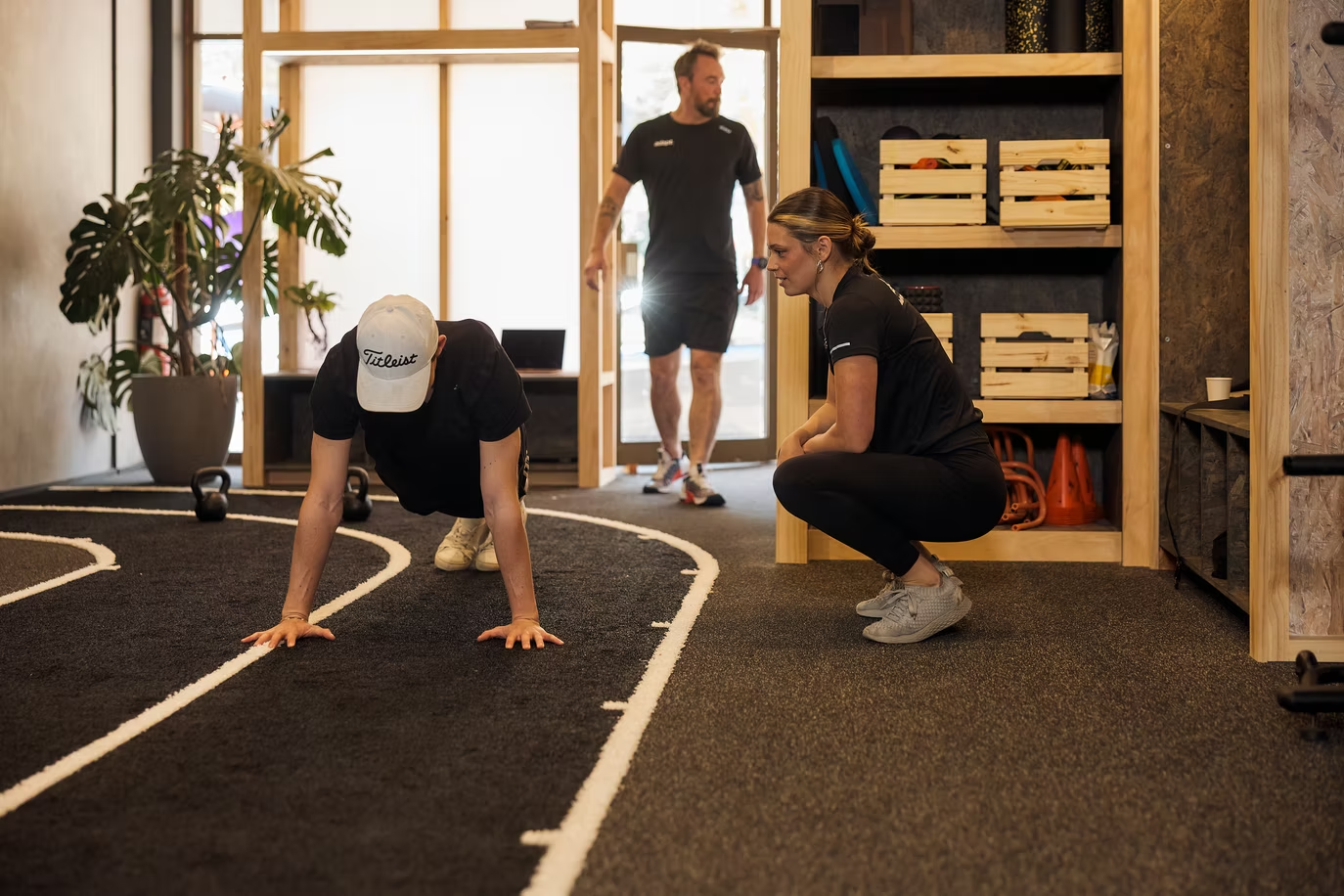
What your physiotherapist assesses
The assessment connects the symptoms to the activities that bring them on and the work you need to manage.
Symptoms and pattern
Where symptoms are felt, how they change and which positions or activities affect them.
Movement and tolerance
How the back, hips and legs respond to the movements and loads relevant to you.
Daily and training demands
The sitting, lifting, walking, work or training tasks the plan needs to account for.
Clinical history
Previous episodes, current advice, scans when relevant and any signs that need another referral pathway.
How the plan is built
The first plan is a starting point that can change as your symptoms, activity and load tolerance change.
Book a physiotherapy assessmentAssess the presentation
Discuss the symptom pattern, history and goals, then assess the movements and loads that matter to your day.
Explain what matters
Your physiotherapist explains the relevant findings and whether another referral or existing scan needs to inform the plan.
Set the first load
Activity changes and exercises are chosen from the assessment rather than a universal back-strengthening routine.
Review the response
Later reviews consider how symptoms and tolerance have changed before the activity or loading plan is adjusted.

The plan starts with your presentation, not a generic exercise list
Your physiotherapist looks at the symptoms, movement, load tolerance, history and goals together, then explains which findings matter and how activity will be adjusted.
Physiotherapy or gym-based support?
Both routes begin with clinical assessment. The difference is how the plan is delivered after the starting point is clear.
| Physiotherapy | Gym-based support | |
|---|---|---|
| Starting point | A physiotherapy appointment to assess the presentation and set the first plan | A clinical assessment before supervised work begins on the gym floor |
| Between reviews | Complete the agreed activity or exercises independently | Complete the program in supervised gym-based sessions |
| Often considered when | Symptoms are new, changing or need a clear clinical assessment | More gym support fits the clinical plan and the loading you need to manage |
| Next action | Book a physio | Book a gym-based assessment |
Do I need a scan before I book?
Not always. Your physiotherapist can begin by assessing the symptom pattern, history, movement and load tolerance. If you already have imaging, bring it with you. If the assessment suggests imaging or another referral could change the next clinical decision, your physiotherapist will explain that pathway.
Loading is adjusted to what the assessment finds
The starting point may involve changing an activity, practising a movement or introducing exercise. What is loaded, how much and how it changes are based on the presentation and reviewed response, so strengthening is included only when it is clinically appropriate.
How physiotherapy works at Adapt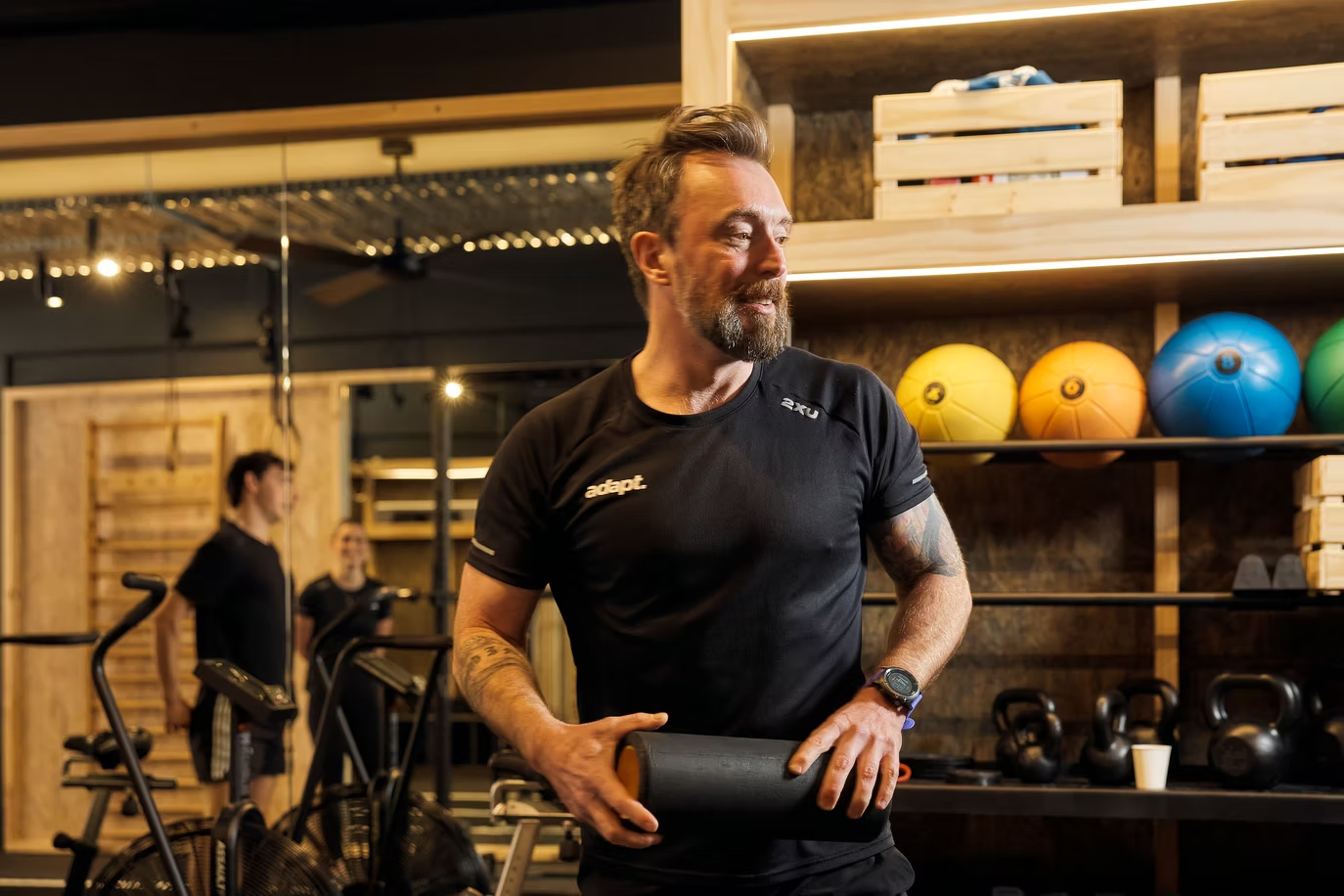

What will the appointment cost?
The fee depends on the appointment you book and is confirmed before the visit. If you have private health extras, any physiotherapy rebate depends on your fund, policy and remaining limits. Gym-based sessions and other program elements should not be assumed to be claimable.
Read about fees and rebatesQuestions before you book
Book a physioCan physiotherapy help sciatica pain?
Physiotherapy can help many sciatica presentations by assessing the symptom pattern, movement, load tolerance and daily demands, then setting an individual activity and loading plan. The assessment also considers whether another referral pathway is needed.
Do I need a scan before my first appointment?
Not always. A physiotherapist can assess your history, symptoms, movement and load tolerance first. Bring any imaging you already have, and the physiotherapist will explain if imaging or another referral could change the next decision.
What should I bring if I already have imaging or a referral?
Bring the report and images if they are available, the referral or current advice, a list of relevant medicines and comfortable clothing for movement assessment. These records provide context but do not replace the clinical assessment.
Can I keep working or training while I am assessed?
The answer depends on your presentation and the demands involved. Your physiotherapist will discuss what can remain, what may need to change and which symptoms or findings should prompt a different pathway.
When is gym-based physiotherapy considered?
Gym-based physiotherapy may be considered when supervised exercise or graded loading fits the clinical plan. It begins with assessment, and the level of gym support is chosen around the presentation, goals and work you need to manage.
What happens if the assessment suggests another referral is needed?
Your physiotherapist will explain the relevant finding and the next referral pathway. That may mean contacting your GP or another practitioner before the rehabilitation plan continues or before a particular activity is progressed.
The physiotherapists who assess your starting point
Each clinical assessment connects to the activity and loading decisions in the plan.

Physiotherapy assessment, manual therapy and exercise-based rehabilitation informed by a strength and conditioning background.
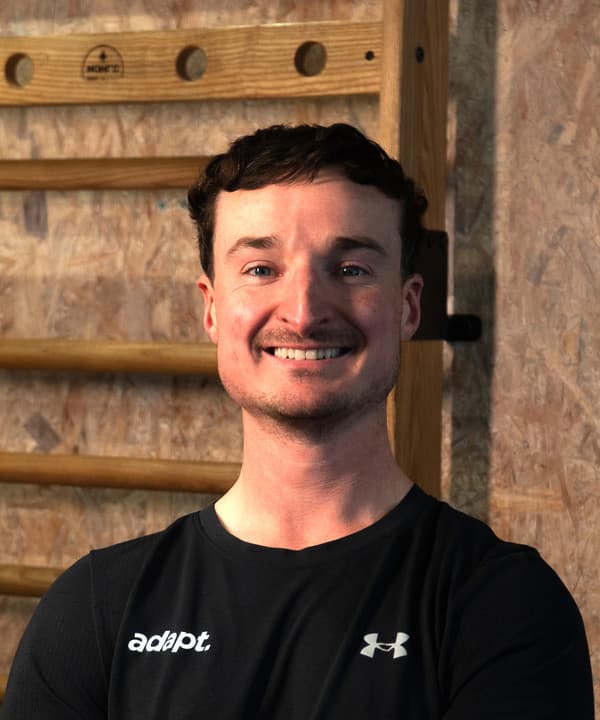
Musculoskeletal assessment and rehabilitation planning connected to training load and exercise progression.
Not sure which appointment fits?
Tell us what has been happening and what you need to manage, and the Adapt team will suggest the most suitable first appointment.
Your training plan can change without disappearing
An assessment can identify which parts of work or training remain appropriate and which need to change for now. When supervised gym-based work fits the plan, the same clinical direction can carry into those sessions and be reviewed as your presentation changes.
Explore gym-based physiotherapy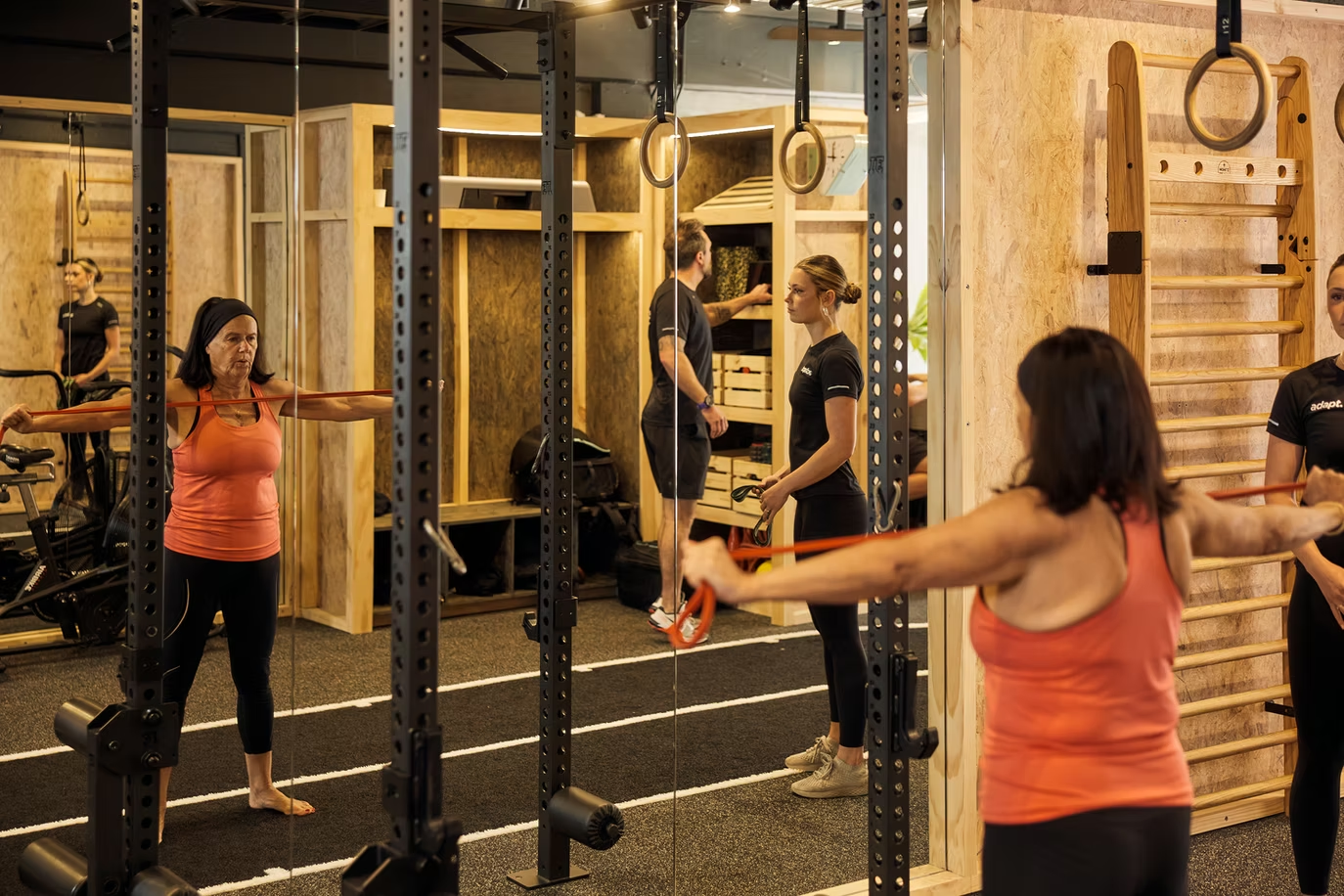
Check our registration
Sam Baylis and John MacAuliffe are registered physiotherapists. Their profiles describe their roles and link to the public register, where current practitioner details can be checked.
Last updated on 16 October 2026