
Find the right path for your injury or condition
Adapt brings physiotherapy and gym-based rehabilitation together in North Sydney, so you can start with an assessment and choose the level of gym support that fits the plan your clinician sets with you.
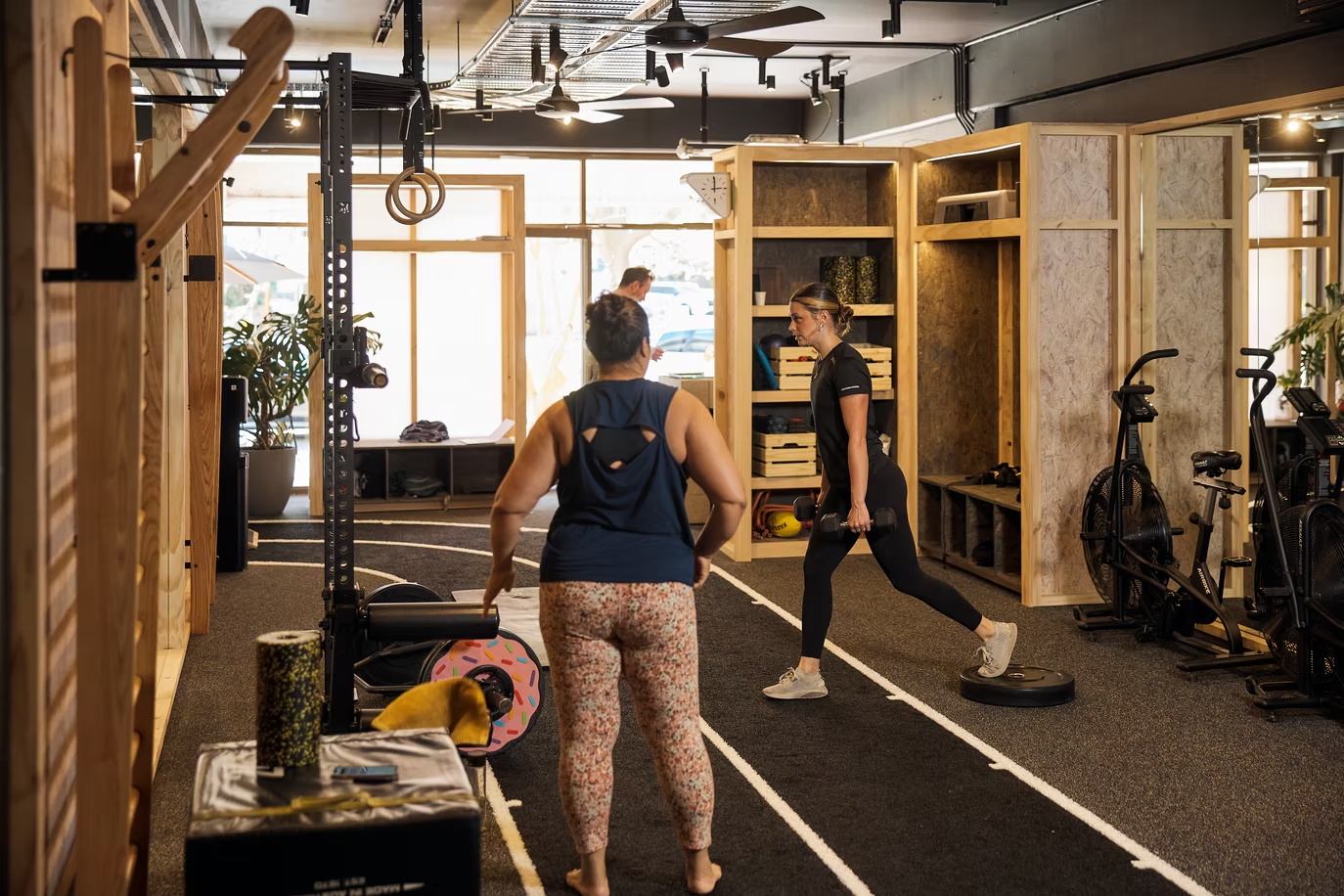
Rehab starts with understanding what has changed
Your first appointment is used to assess the problem, understand the demands you need to manage and agree the next clinical step before a longer program is discussed.
See physiotherapy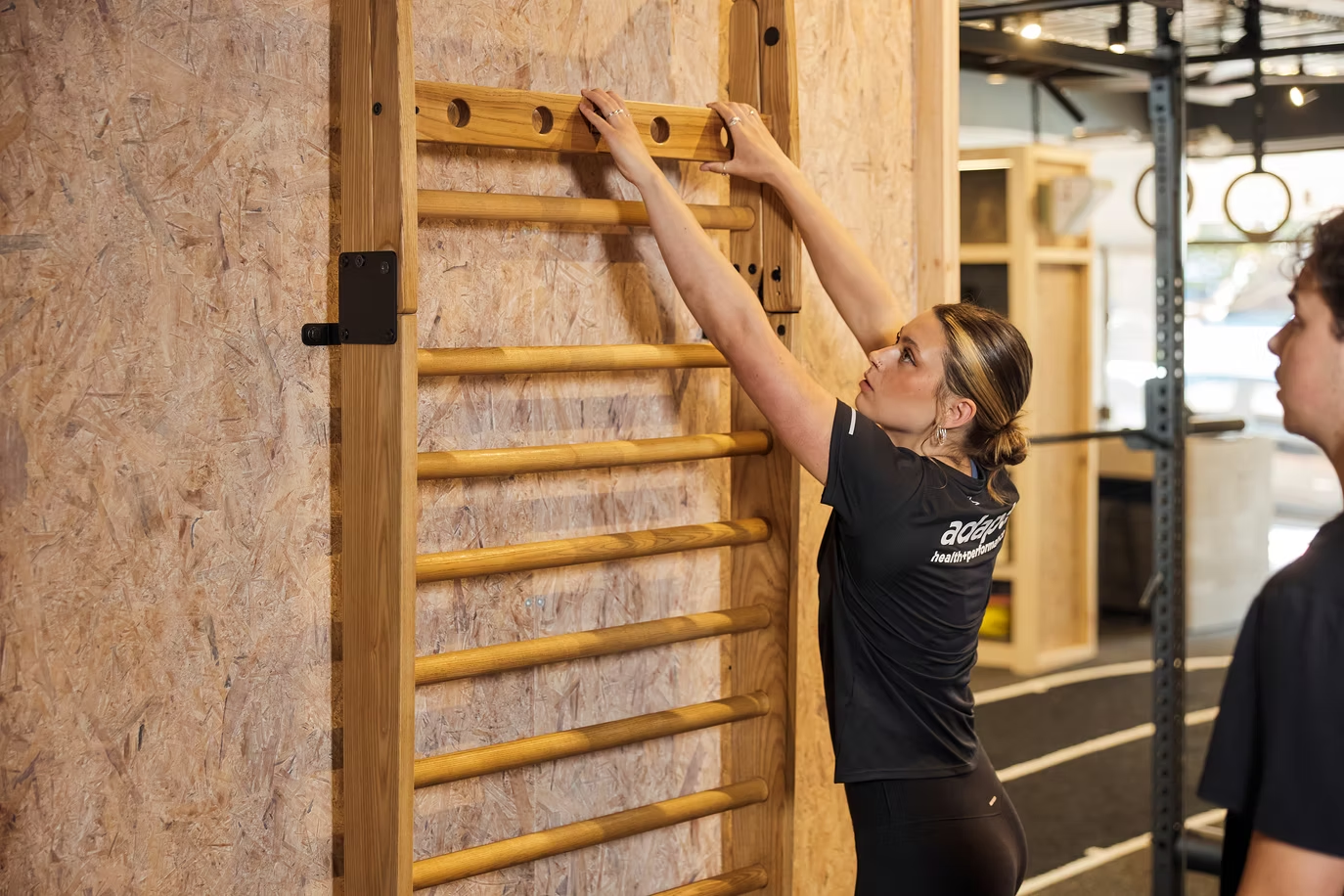

Choose the problem you want assessed
Each guide explains the clinical process, the role of strength work and the appointment to book.
ACL reconstruction
A criteria-led plan from the early post-operative phase through strength and return-to-sport testing.
Knee replacement
Rehabilitation shaped around your surgeon's protocol, range of motion and progressive strength work.
Back pain and sciatica
Assessment and graded loading based on your presentation, symptoms and daily demands.
Shoulder rehab
A plan built from the assessment, the structures involved and the movements you need to manage.
Rehab after surgery
A staged process coordinated with the guidance supplied by your surgical team.
Strength for longevity
Clinician-guided training for adults who want a structured approach to strength and physical capacity.
Physiotherapy or gym-based rehabilitation?
Both routes begin with a clinical assessment. The difference is how much supervised gym support the plan needs after that starting point.
| Physiotherapy | Gym-based rehabilitation | |
|---|---|---|
| Appointment | A physiotherapy assessment, treatment and a plan for the clinic, gym or home. | A gym-based assessment that sets the clinical direction for supervised training. |
| Gym support | Exercises can be reviewed in appointments and completed independently between visits. | The program continues with more regular support on the Adapt training floor. |
| Next action | Book a physiotherapy appointment when assessment or treatment is the immediate need. | Book a gym-based assessment when supervised strength work is likely to be part of the plan. |

A clinic that opens onto the training floor
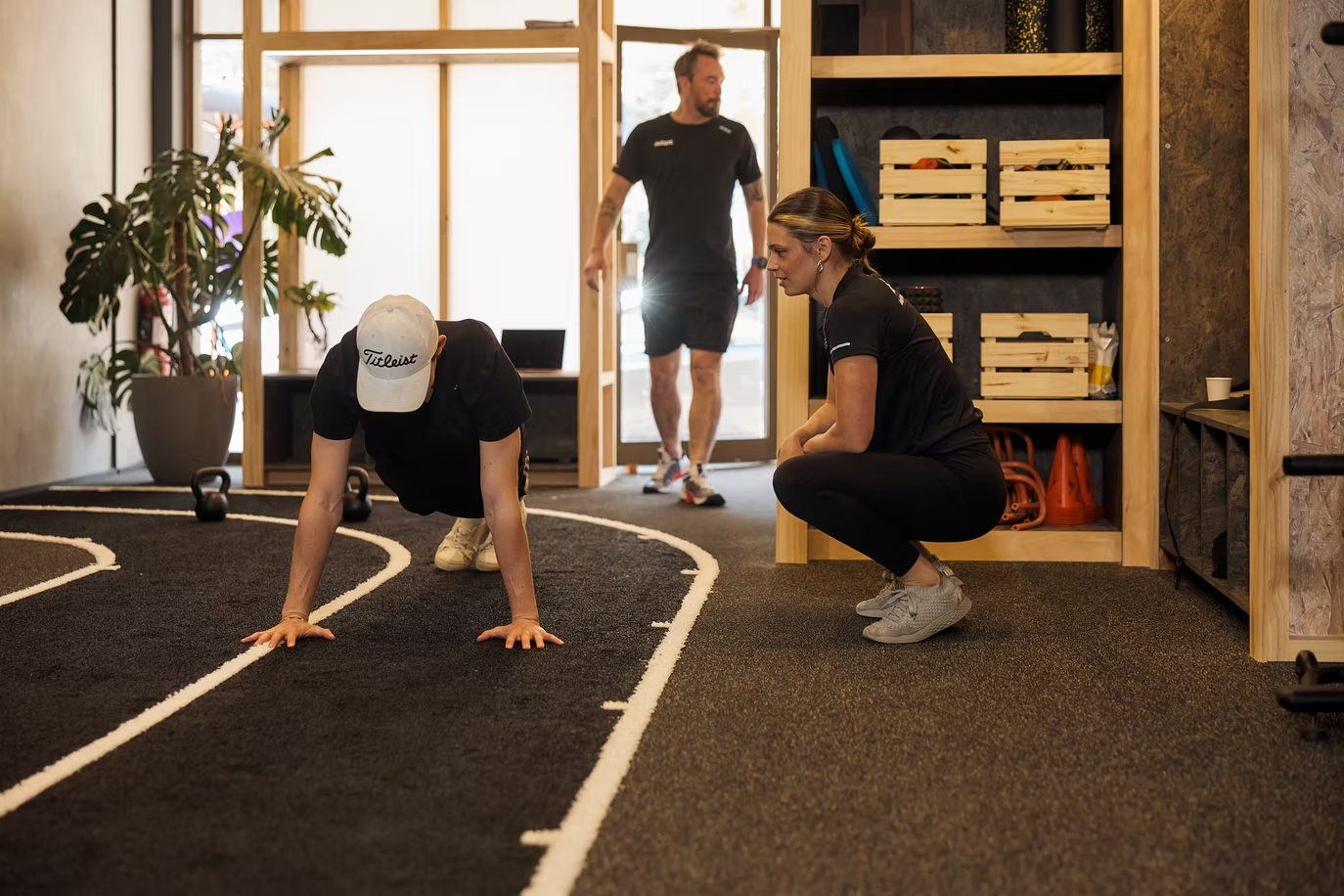
Assessment and treatment can connect directly to the strength work in your plan, without separating the clinical decision from the place where the exercises are performed.
See gym-based physiotherapyWhat happens after you choose a condition guide
The guide helps you recognise the likely route, while the assessment sets the plan for your presentation.
Book a physioRead the guide
Start with the condition guide that best matches the problem you want assessed.
Choose an appointment
Book physiotherapy or a gym-based assessment based on the support you need now.
Assess the starting point
Your clinician reviews the problem, the demands you need to manage and any guidance already supplied.
Agree the plan
You and your clinician decide the next clinical step and how gym-based work fits when it is relevant.
Can I claim a condition appointment on my health fund?
Cover varies by fund, policy and appointment type. Check your extras cover before booking, then use the fees and rebates guide to see how Adapt explains appointment fees and claiming without assuming your policy includes a particular service.
See fees and rebatesThe physiotherapists who assess your starting point
The same clinical team connects the findings from your appointment to the treatment and exercise decisions that follow.

Assessment, manual therapy and strength-informed rehabilitation planning.
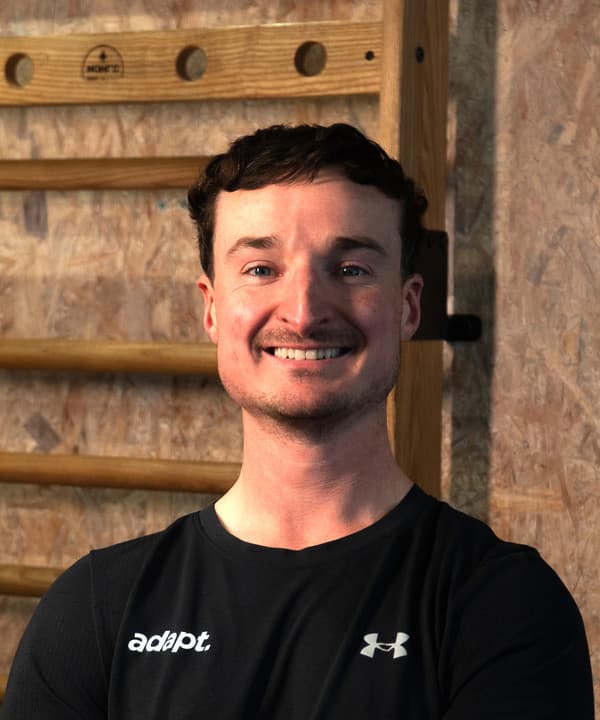
Musculoskeletal assessment, training load and exercise progression.
Questions before you book
Book a physioShould I book physiotherapy or gym-based physiotherapy?
Book physiotherapy when you need an assessment, treatment or an immediate clinical opinion. Book a gym-based assessment when supervised strength work is likely to be central to the plan. If you are unsure, send an enquiry and the Adapt team can help route the appointment.
Do I need a diagnosis or referral before I book?
You do not need an existing diagnosis or referral to book physiotherapy. Bring a referral if one has been supplied, along with scans, reports or a surgical protocol that may help your physiotherapist understand the advice already given.
What happens at the first appointment?
Your physiotherapist discusses the problem, relevant history and the activities you need to manage, then assesses the presentation and explains the next clinical step. A longer program is discussed only after that starting point is understood.
Can I keep training while a condition is assessed?
That depends on the condition, the activity and what the assessment finds. Your physiotherapist can identify what may continue, what should change and what should pause, then connect those decisions to the plan.
Will my health fund cover the appointment?
Cover depends on your fund, policy and appointment type. Check your extras cover before booking and review Adapt's fees and rebates information for the practical claiming details available before your visit.
What should I bring if I have scans or a surgical protocol?
Bring any scans, reports, referral letters, surgical protocols, discharge notes or current restrictions. These documents help your physiotherapist understand the advice already given before the next clinical step is agreed.
Not sure which appointment fits?
Tell us what you want assessed and the Adapt team will help you choose the appropriate starting appointment.
Testing is used when it changes the decision
Objective strength testing can support a clinical decision when the next stage depends on measurable capacity or side-to-side comparison. It is selected for the question being assessed, rather than added to every plan.
See strength testing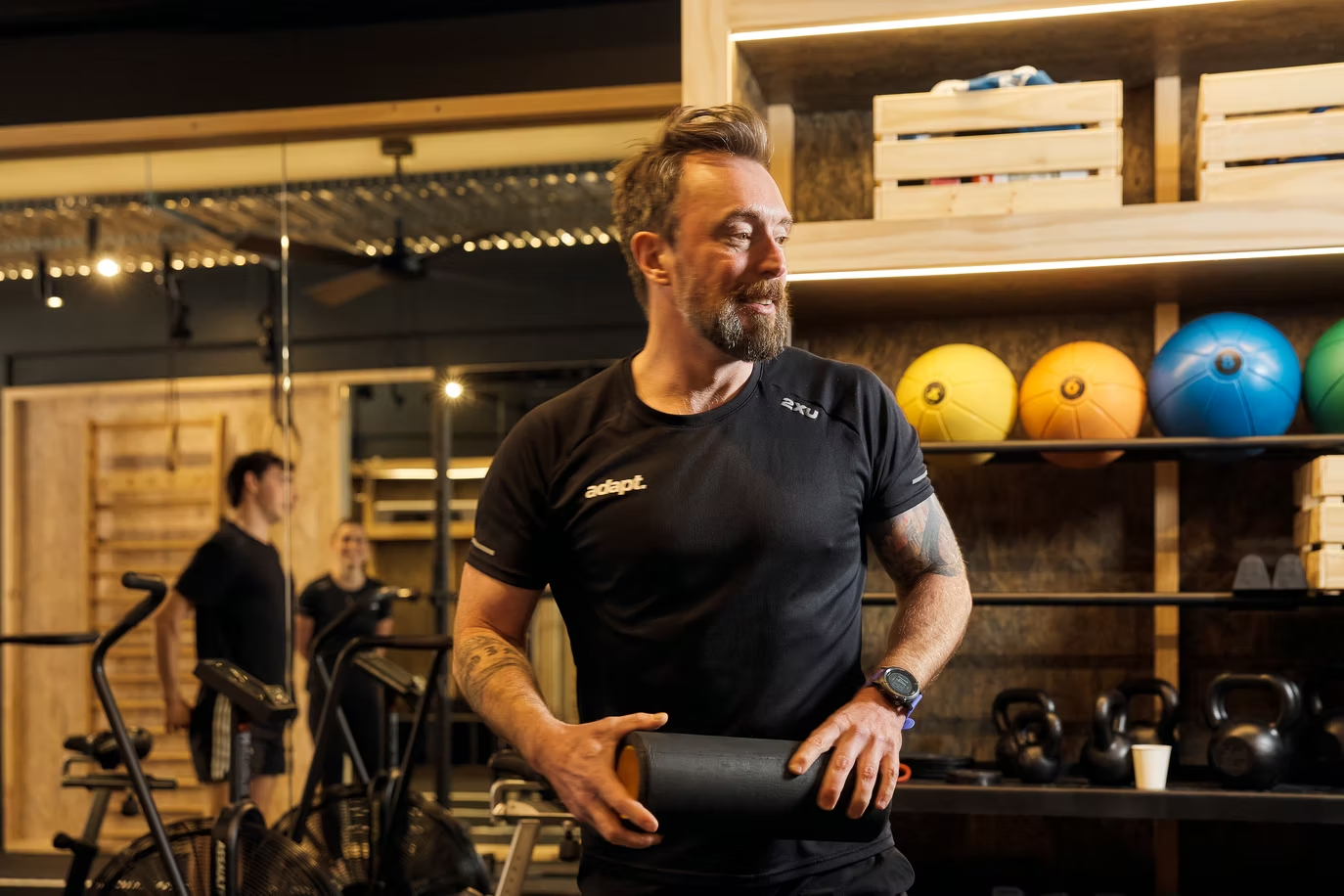
Check our registration
Adapt's physiotherapists are registered with the Physiotherapy Board of Australia. Their profiles explain their roles, and the public register can be used to verify current registration details.
Last updated on 16 October 2026