
Shoulder rehab in North Sydney
Shoulder rehabilitation at Adapt begins with a physiotherapy assessment of the symptoms, movement and loads that matter to you. The plan can include treatment, progressive exercise and gym-based strength work, with each change based on the clinical review rather than a generic shoulder routine.

How a shoulder plan progresses
The sequence is adjusted to the presentation and the demands you need to manage.
Assess the presentation
Discuss the history, examine movement and strength, and decide whether another referral or imaging would change the plan.
Set the first loading range
Choose exercises and activity changes that match the assessment and can be reviewed clearly.
Build strength through useful positions
Progress the shoulder through the ranges and loads relevant to work, daily life or training.
Review higher-demand tasks
Add more demanding pressing, pulling or overhead work only when the clinical review supports it.
Shoulder presentations we can assess
The assessment considers the pattern of symptoms and the demands on the shoulder without assuming a diagnosis from the description alone.
Rotator cuff symptoms
Shoulder pain or weakness that changes with lifting, reaching or repeated work can be assessed before a loading plan is chosen.
After shoulder surgery
The assessment starts from the surgical protocol, current restrictions and the tasks the shoulder needs to regain.
Recurrent instability
A history of the shoulder slipping or feeling unstable needs clinical assessment before higher-load or overhead work is progressed.
Load-related shoulder pain
Symptoms linked to pressing, pulling, carrying or overhead training are considered alongside movement, strength and current workload.
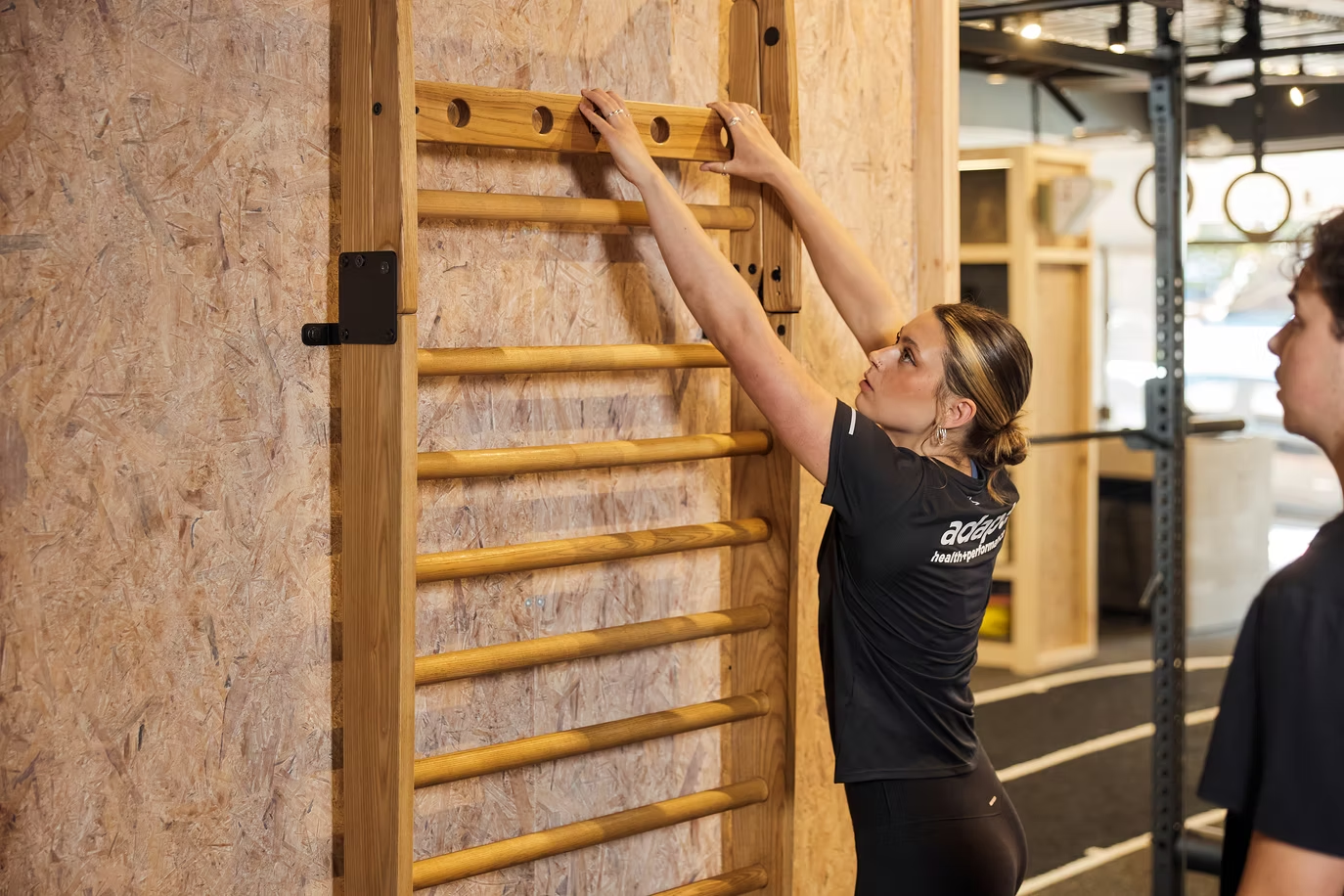
The assessment decides what needs to be loaded
Your physiotherapist looks at the movements that provoke symptoms, the tasks you need to manage and the strength available through the shoulder before choosing the first exercises.
See physiotherapy at AdaptYour first appointment and follow-ups
The first visit establishes the starting point, while later reviews adjust the plan from the shoulder's response and the tasks ahead.
| First appointment | Follow-ups | |
|---|---|---|
| Discussion | Symptoms, history, previous advice and the work, daily or training tasks that matter | Changes since the last visit and how the current loading has been tolerated |
| Assessment | Shoulder movement, strength and the positions related to your symptoms | The measures and movements that are relevant to the next progression decision |
| Plan | Initial exercises, activity changes and any need for imaging or another referral | Adjusted exercises, loading range and the next tasks to review |
| Bring | Comfortable clothing and any useful scans, reports or surgical protocol | Updates from another clinician when they change the current guidance |
Do I need a scan before shoulder physio?
Not always. A physiotherapist can first assess the history, movement, strength and tasks linked to the symptoms. If imaging would change the plan, or the assessment suggests another referral is needed, the physiotherapist can explain that next step. Bring any existing scans or reports so they can be considered.
Strength work is built around the movement you need
Shoulder loading can move through different ranges, positions and resistance as the review supports it. The aim is to make the exercises relevant to the work, daily or training demands discussed in the assessment, with gym-based physiotherapy available when supervised floor work fits the plan.
See gym-based physiotherapy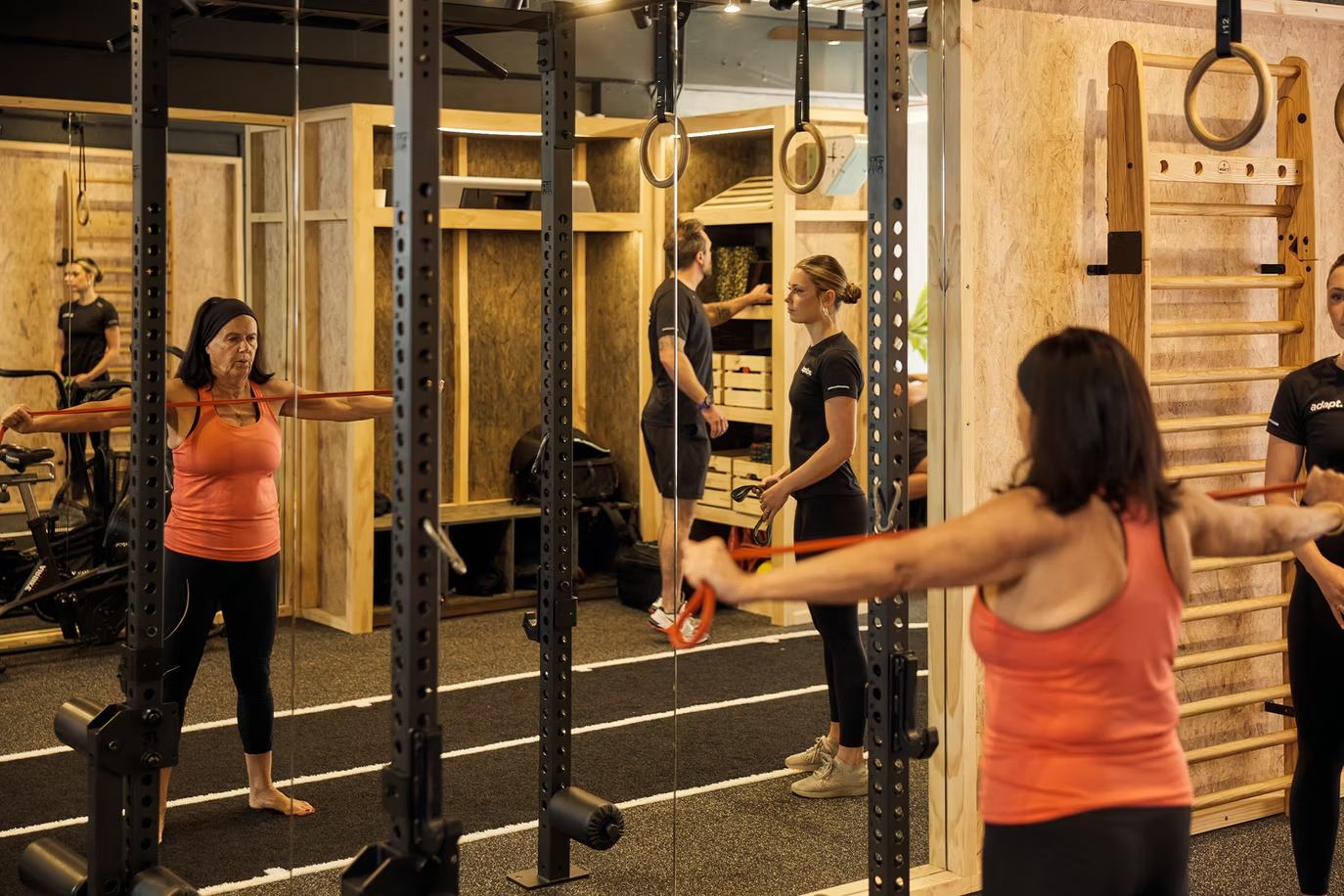
What does a shoulder physio appointment cost?
The fee depends on the appointment you book. Check the current physiotherapy information before confirming, and ask the team if you are unsure which appointment fits. Private health cover and claiming limits vary by policy, so confirm your own extras cover directly with your fund.
See fees and rebatesQuestions before you book
Book a physioWhat happens at a first shoulder physiotherapy appointment?
The physiotherapist discusses the history and the tasks affected, then assesses shoulder movement, strength and relevant positions. You leave with an initial plan based on those findings and an explanation of what will be reviewed next.
Do I need a scan before I book?
No scan is required to make a booking. Bring any imaging or reports you already have. After assessing the shoulder, the physiotherapist can explain whether imaging or another referral would change the plan.
Can physiotherapy help with a rotator cuff problem?
Physiotherapy can assess symptoms associated with the rotator cuff and determine which movement, strength and loading findings matter to your plan. The clinician will not assume a specific pathology from symptoms alone and will refer when another opinion is indicated.
Can I keep training while my shoulder is assessed?
The assessment helps decide which training can stay, which loads or ranges should change and which tasks should pause for review. Bring details of your current program so the advice reflects what you are actually doing.
How is gym-based shoulder rehabilitation different from a standard appointment?
A standard appointment focuses on clinical assessment, treatment and plan review. Gym-based rehabilitation provides more room for supervised strength work when that format fits the plan, while physiotherapy reviews continue to guide the exercises and progression decisions.
What should I bring after shoulder surgery?
Bring the surgeon's protocol, discharge notes, current restrictions and any recent reports or imaging. These documents help the physiotherapist follow the surgical guidance and decide where the assessment and loading plan should begin.
The physiotherapists who assess your shoulder
Your starting point and each loading decision are set through clinical review.

Assessment and exercise-based rehabilitation informed by a strength and conditioning background.
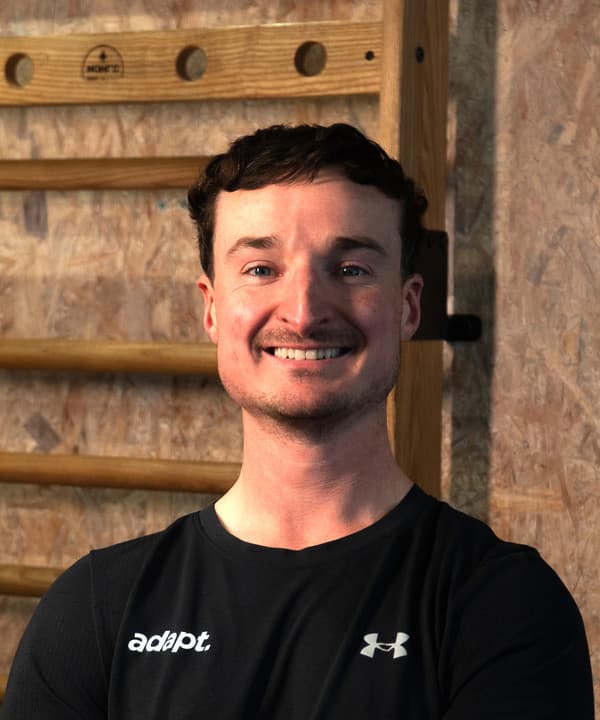
Musculoskeletal assessment, rehabilitation planning and coordination with training load.
Not sure which shoulder appointment fits?
Tell the Adapt team what is happening, whether you have had surgery and what you need the shoulder to manage, and they will help route you to the appropriate first appointment.
The same plan can continue into the gym
When the assessment calls for more loading than a standard appointment can hold, the program can continue on Adapt's training floor with the clinical plan guiding the exercises and review points. This keeps the gym work connected to the shoulder movements and demands already discussed with your physiotherapist.
Book a gym-based assessment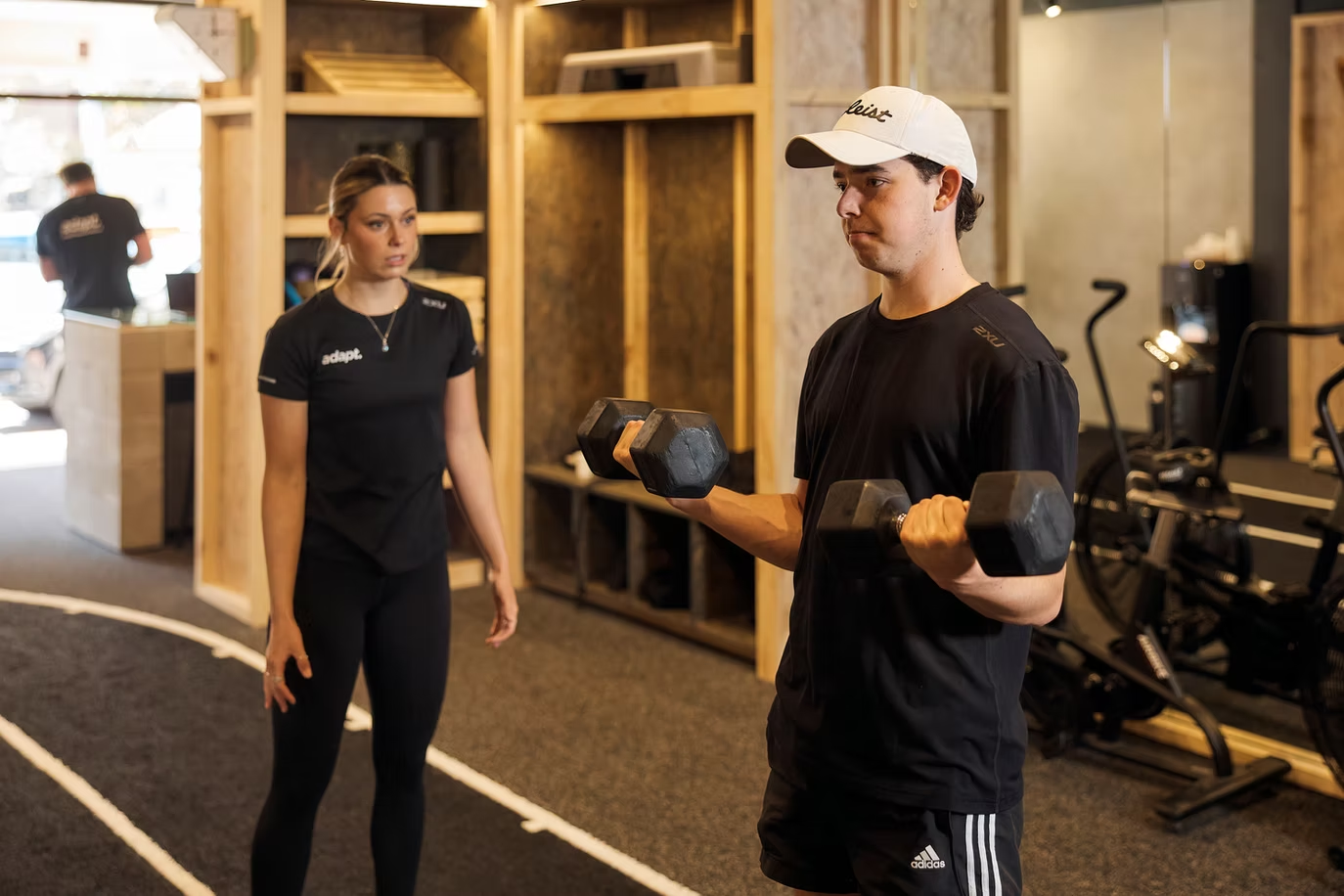

Check our registration
Sam and John are registered physiotherapists. Their profiles explain their roles, and the public register can be used to verify practitioner registration.
Last updated on 16 October 2026