
ACL rehab: how long it takes and what each phase looks like
ACL rehabilitation commonly runs across many months, but the calendar alone does not decide when you progress. At Adapt in North Sydney, your physiotherapist follows the surgeon's protocol, reviews clinical criteria and uses strength testing when it is relevant to the next decision.
The five phases of ACL rehabilitation
The order is consistent, but the timing and exercises are set from your presentation, surgical protocol and clinical review.
Book a physiotherapy assessmentSettle and restore movement
Early work follows the surgeon's guidance and focuses on swelling, knee movement, quadriceps activity and the tasks needed for the next phase.
Build foundational strength
Loading develops through the lower body while the physiotherapist checks movement quality, tolerance and side-to-side differences.
Develop running capacity
Running preparation begins only when the clinical and strength criteria chosen for your plan support that progression.
Prepare for sport demands
Strength, jumping, landing and change-of-direction work are introduced around the demands of the sport or activity.
Review return-to-sport criteria
The final decision combines clinical review, strength and movement testing, the surgeon's guidance and the demands you need to meet.
What changes from phase to phase
Each review compares the demands ahead with the movement, strength and tolerance available now.
| Earlier phase | Later phase | |
|---|---|---|
| Movement | Knee movement, swelling and quadriceps activity | Jumping, landing and change-of-direction quality |
| Strength | Foundational lower-body loading and side-to-side comparison | Higher-force work matched to activity or sport demands |
| Running | Preparation only while the selected criteria are reviewed | Running load progressed when the plan's criteria support it |
| Sport demands | The required tasks are identified and planned | Strength and movement testing are considered with clinical and surgeon guidance |
Time is a guide, while criteria shape the next step
The plan changes as swelling, movement, strength and tolerance change, so each review looks at what is ready to progress and what still needs work rather than promising a fixed return date.
How physiotherapy starts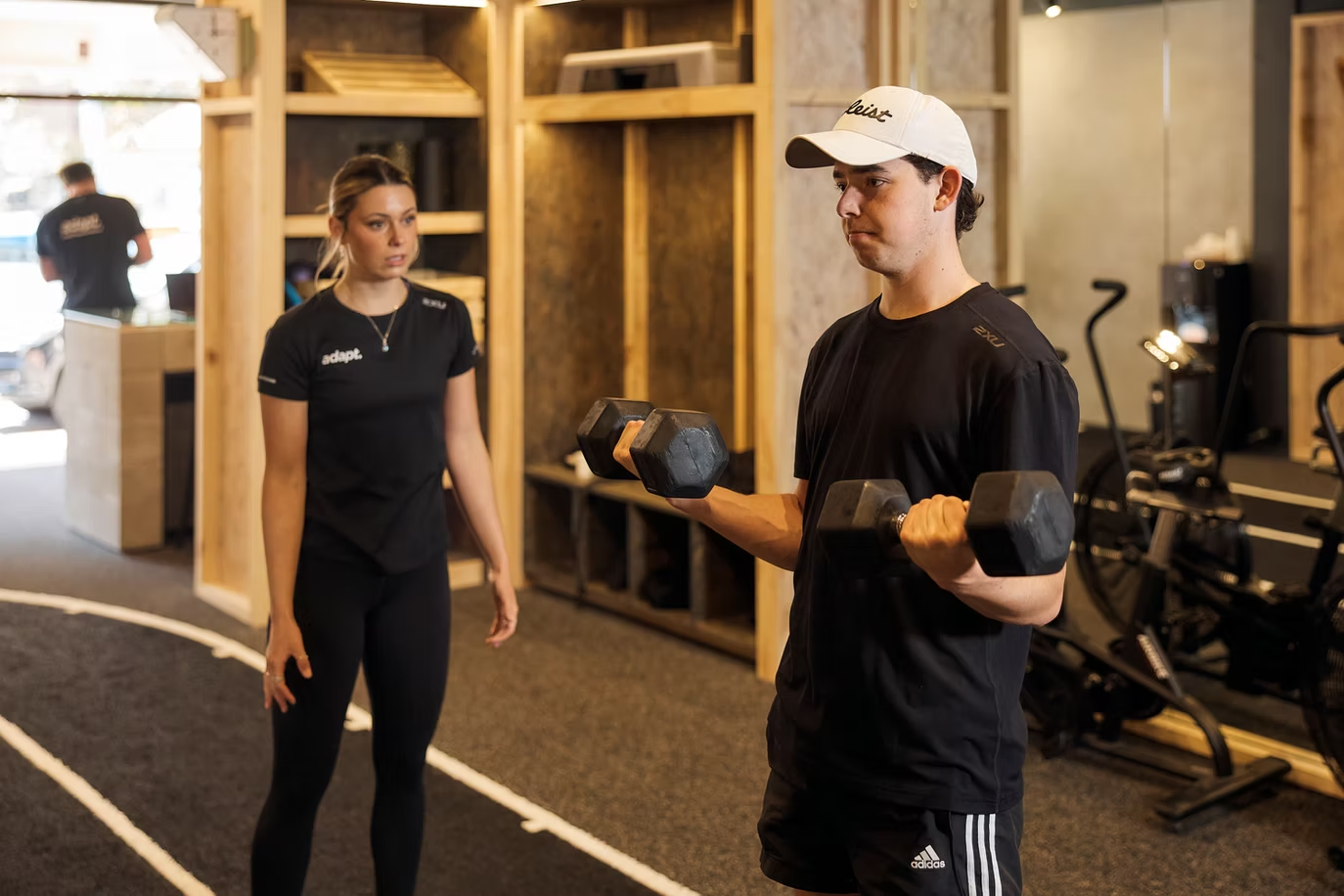
How long does ACL rehab take?
ACL rehabilitation commonly takes many months, but there is no fixed deadline that applies to everyone. Your surgeon's protocol provides the framework, while clinical review, strength, movement tolerance and the demands you need to meet shape when the plan moves forward.
Ask about your starting pointObjective testing when it changes the decision
Adapt uses VALD ForceDecks and ForceFrame when the measures are clinically relevant to the next phase, alongside the assessment and surgeon's guidance.
VALD ForceDecks
ForceDecks can measure force during selected strength and movement tasks when those results are relevant to a phase decision.
VALD ForceFrame
ForceFrame can compare force in selected muscle tests, adding objective information to the clinical review when it is useful.

Strength work belongs inside the plan
Gym-based loading gives the physiotherapist room to develop lower-body strength through the phases, while the exercises and loads continue to follow the clinical review rather than a generic program.
Explore gym-based physiotherapyCan I claim an ACL rehabilitation appointment on my health fund?
A physiotherapy appointment may be claimable if your extras policy includes physiotherapy, but cover and limits vary by fund. The fee depends on the appointment you book and is confirmed before you attend. Check your policy and the current fees information before booking.
See fees and rebatesQuestions before you book ACL rehabilitation
Book an assessmentHow long does ACL rehab usually take?
ACL rehabilitation commonly runs across many months. The surgeon's protocol, clinical findings, strength, movement tolerance and the demands you need to meet all affect progression, so a calendar date is a guide rather than a promised return point.
When can I start physiotherapy after ACL surgery?
Follow the timing and restrictions supplied by your surgeon. Contact the physiotherapy team with your protocol and discharge information, and they can help identify the appropriate appointment and starting point for clinical review.
What information should I bring from my surgeon?
Bring the surgical protocol, discharge notes, current restrictions, referral information if supplied and any relevant imaging or reports. These documents help the physiotherapist align the assessment and first phase with your surgeon's guidance.
How do strength tests affect the next phase?
When clinically relevant, strength tests add objective measures to the assessment. Your physiotherapist considers those results with movement quality, tolerance, the surgeon's guidance and the demands of the next phase rather than using one number in isolation.
Can I book ACL rehab if my surgery was months ago?
Yes. The first appointment establishes your current movement, strength, tolerance and surgical guidance, regardless of when surgery occurred. The plan begins from that assessment rather than assuming you should already be at a particular phase.
Should I book physiotherapy or a gym-based assessment?
Book physiotherapy when you need an initial clinical assessment, have a new concern or need the surgical protocol reviewed. A gym-based assessment may fit when you are ready to discuss supervised strength work within an established clinical plan.
Bring the surgical protocol into the room
Your protocol, discharge notes and current restrictions give the physiotherapist the surgical guidance needed to set the starting point, then each review connects that guidance with your current movement, strength and tolerance.
Book with the physiotherapy team
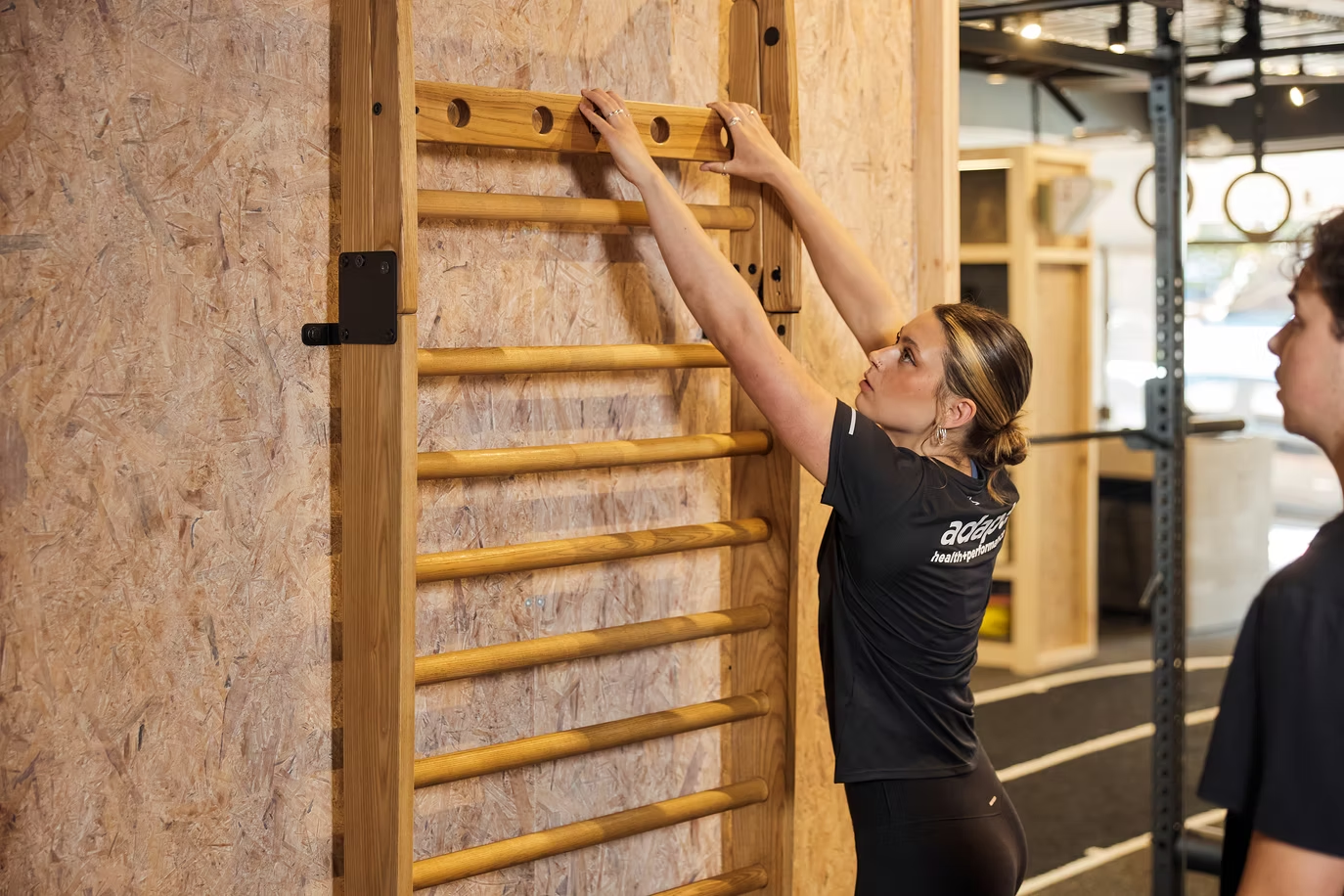
Ask about your ACL rehab starting point
Tell us when your surgery was, what guidance you have and what phase you are working through, and the team can suggest the appropriate first appointment.
The physiotherapists who review your ACL plan
Each clinical review connects the loading and criteria selected for your plan.
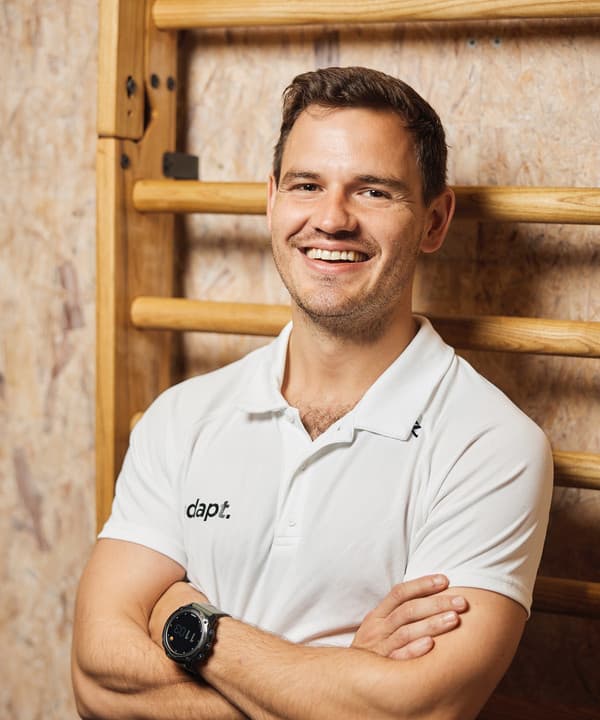
Clinical assessment and strength-informed rehabilitation planning across the ACL phases.
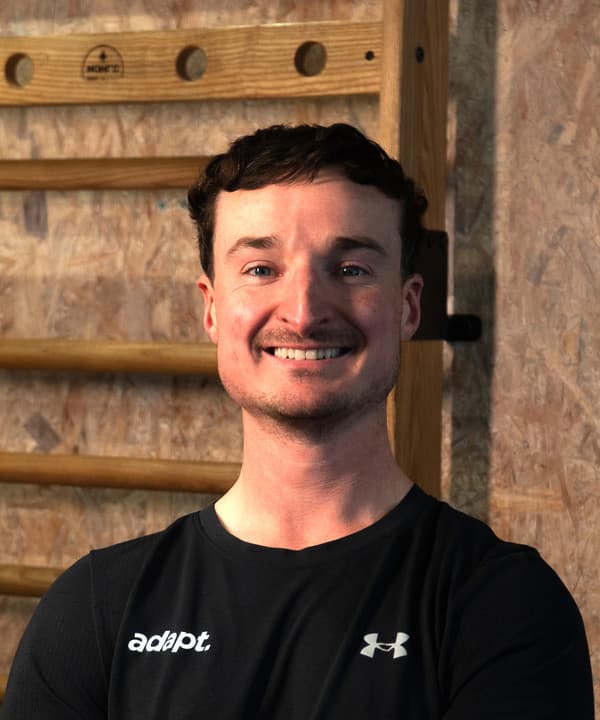
Musculoskeletal assessment, training load and exercise progression with the coaching team.
Check our registration
Sam and John are registered physiotherapists. Their profiles describe their roles, and the public register can be used to verify practitioner registration.
Last updated on 16 October 2026