
Progressive loading: adding challenge as your body adapts
Progressive loading means increasing the demand of exercise in planned steps, through weight, repetitions, speed or complexity, as tissues and strength adapt. At Adapt in North Sydney, your physiotherapist sets the starting point and the limits, and the coaches progress the work on the gym floor, so each increase follows the plan reviewed with you.
Progressive loading and progressive overload
The terms overlap: progressive overload usually describes strength training for healthy lifters, while progressive loading applies the same principle within clinical limits during gym-based physiotherapy.
| Progressive loading in rehab | Progressive overload in training | |
|---|---|---|
| Starting point | What the injured or operated area tolerates now | Current training level and goals |
| What decides the next step | Clinical review, symptoms, movement quality and test results | Performance, recovery and the training plan |
| Size of each step | Smaller steps, with holds when symptoms change | Larger steps once technique is consistent |
| Who adjusts it | The physiotherapist with the coaching team | The coach or the lifter |
Four ways the load can progress
Weight is only one lever, and early rehab often changes the others first, guided by how you respond at each personal training or rehab session.
Volume
More sets or repetitions at the same weight, used when the current load is tolerated.
Intensity
Heavier weight or a harder variation of the same exercise.
Complexity
Single-leg, multi-direction or less stable positions once control is consistent.
Speed
From slow and controlled work to faster, jumping and landing tasks.
How do you know when to increase the load?
Load usually goes up when the current level is completed with good control and any symptoms settle within the window agreed with your physiotherapist, often by the next day. Those signals are set at assessment, and force plate testing can add numbers before a bigger step.
Book an assessmentOne progression shared by physio and coach
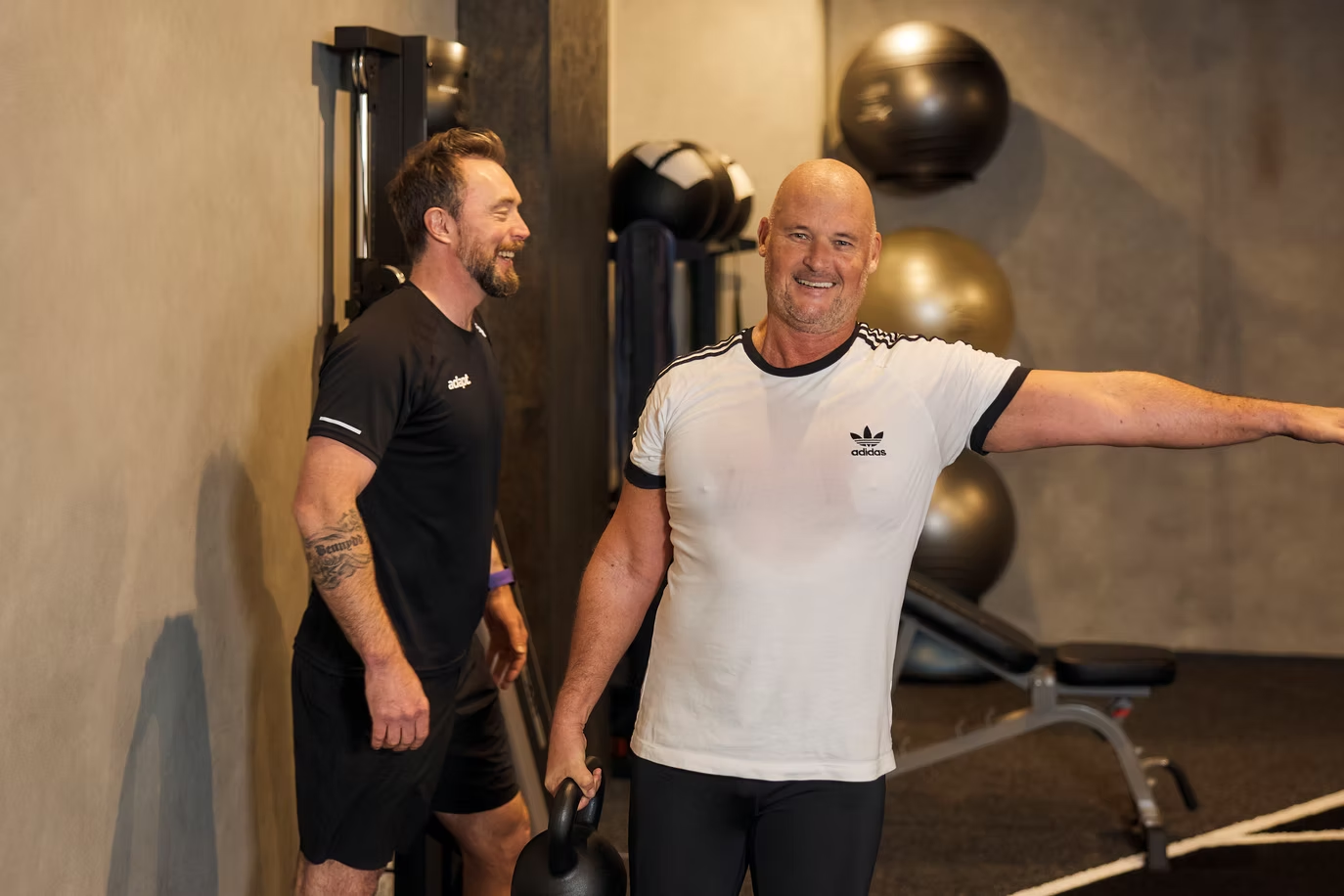
The physiotherapist sets limits at review and James Bowen's coaching team runs the sessions, so the same progression is visible in how gym-based physio works.
Meet the team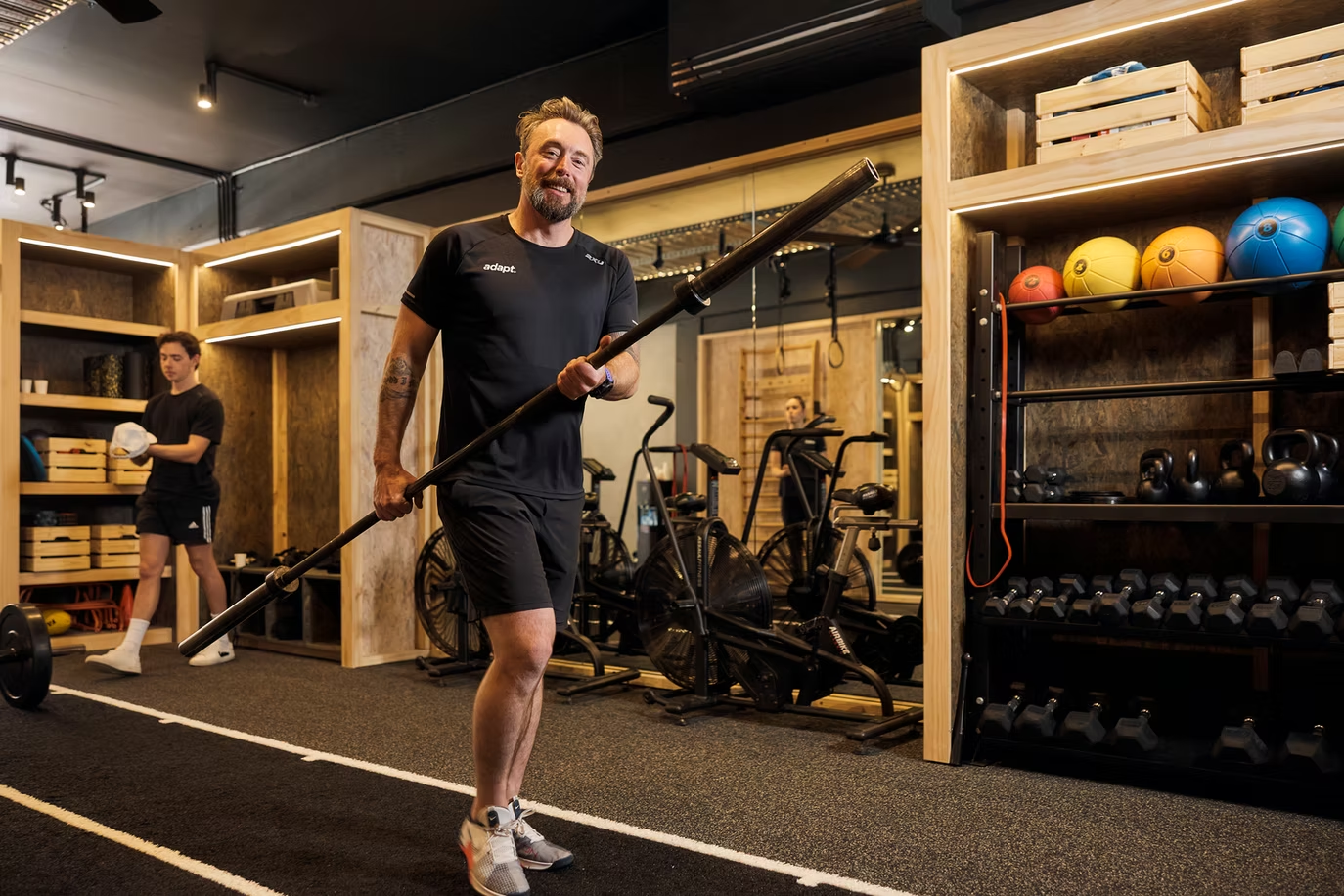
Where progressive loading shapes rehab
How often you train sits beside how hard each session is. See training frequency for the weekly rhythm.
ACL reconstruction
Load rises through phases set by the surgeon's protocol and clinical review.
Knee replacement
Early steps often change volume and range before heavier loading.
Back pain and sciatica
Tolerance and control decide when sitting, walking and gym work can increase.
Shoulder rehab
Pressing and rotation load rises as range and force allow.
Questions about progressive loading
Book an assessmentIs it normal to feel sore after the load goes up?
Mild muscle soreness that settles is common after a step up. Tell your physiotherapist if the soreness lingers, spreads or changes in character, so the next sessions can be adjusted.
What happens if pain increases after a session?
Contact the team. The physiotherapist reviews what changed and adjusts the next sessions, which may mean holding the current load, changing the exercise or reducing volume.
Can I progress my own program between reviews?
Stay within the ranges your physiotherapist set. Coaches progress the work within those ranges on the gym floor. Bigger steps wait for the next clinical review.
Does progressive loading mean lifting heavy weights?
Not necessarily. Volume, complexity and speed can progress before weight does, especially early in rehab when the area is still settling or range is limited.
The physios and coaches who progress your program
The physiotherapists set the limits. The coaches apply the next step on the gym floor.

Sets the clinical limits that every loading step has to stay inside.

Reviews tolerance and movement quality before the next increase.

Runs the gym sessions that apply the physiotherapist's loading plan.

Progresses sets, variations and coaching cues within the set ranges.