
Training frequency: how often you train in a week
Training frequency is the number of sessions you train in a week, and it works with volume, intensity and recovery to shape a program. At Adapt in North Sydney, a coach or your gym-based physiotherapy plan sets a weekly rhythm around your goals, your schedule and how your body is responding, then adjusts it as the work progresses.
Frequency is one of four training variables
Changing one variable changes what the others can be, which is why frequency is planned with progressive loading rather than on its own.
Frequency
How many sessions you train each week.
Volume
The total sets and repetitions across those sessions.
Intensity
How heavy or hard each set is relative to your capacity.
Recovery
The time between sessions that lets you train well again.
Sessions spread across the week
Spreading work across several shorter sessions lets each one focus on quality, and gives your coach or physiotherapist more chances to see how you respond. In gym-based physiotherapy, supervised sessions on the gym floor run between clinical reviews, so the weekly rhythm and the clinical plan stay connected.
Meet the coaches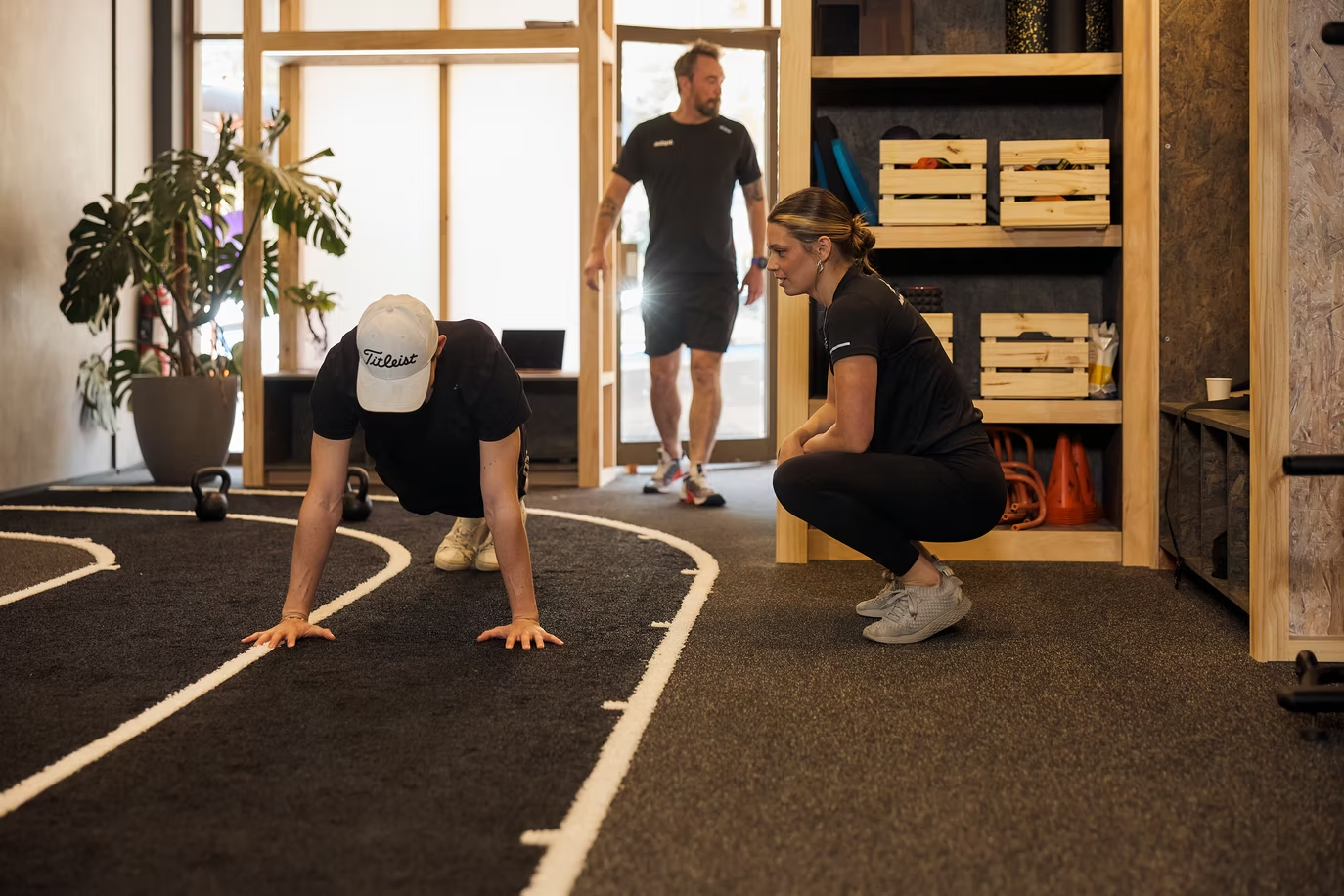
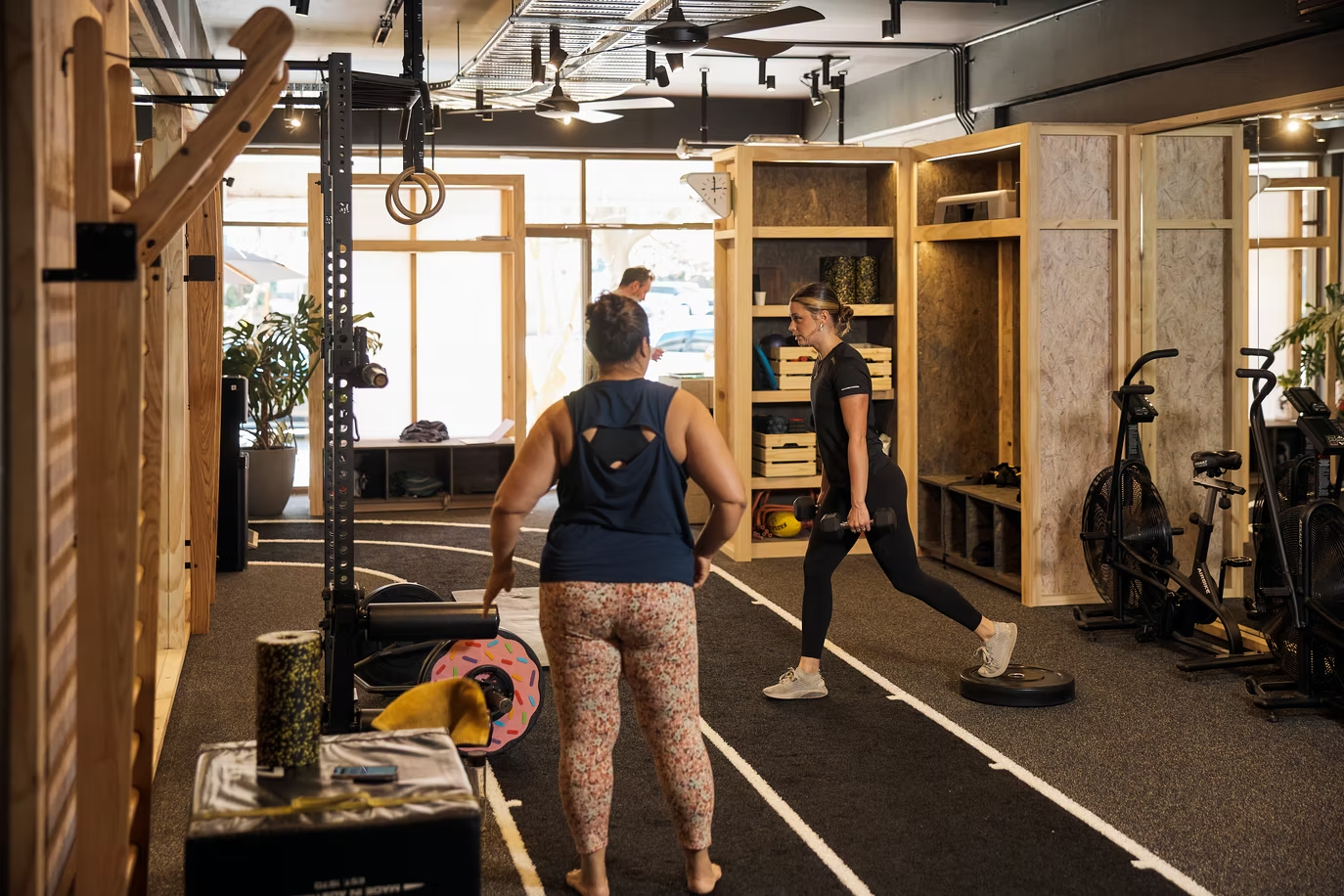
How a training week is planned
The week is built backwards from what you need to train and what your schedule allows, then checked against how the first sessions feel with James Bowen.
Set the goal
What you are training for, and any clinical limits from your physiotherapist.
Count the available days
Sessions that fit work, family and travel, not an ideal week on paper.
Split the work
Which sessions carry strength, conditioning or rehab work.
Review and adjust
Frequency rises, holds or drops as you respond across the first weeks.
Rehab blocks and strength blocks use frequency differently
Return-to-sport weeks sit closer to a rehab block until criteria support more sport training. See return to sport.
| Rehab block | Strength training block | |
|---|---|---|
| What sets frequency | Clinical limits, tissue tolerance and review timing | Goals, recovery and the training plan |
| Session length | Matched to what the area and the review window allow | Matched to the work that needs to be completed that day |
| What changes it | Symptoms, movement quality and the next clinical review | Progress, missed days and how recovered you feel |
| Who reviews it | The physiotherapist with the coaching team | The coach, and a physiotherapist if a clinical limit applies |
Can I train on consecutive days?
Yes, when intensity and recovery allow it. Coaches often rotate which muscles or qualities each day emphasises, so consecutive sessions are not the same hard work twice. Clinical limits from your physiotherapist still apply in a rehab block.
Start personal trainingQuestions about training frequency
Talk to a coachIs it better to train three times a week or once for longer?
Spreading the same work across more sessions usually allows better quality in each one. The right split depends on your goals, recovery and schedule, not on a single preferred number of days.
Can I train the same muscles on consecutive days?
It depends on intensity and recovery. Coaches often rotate emphasis across days so the same tissues are not asked for the same hard work two days in a row.
What if I miss sessions in a week?
Carry on with the next planned session rather than doubling up. Your coach adjusts the rest of the week so the remaining sessions still fit the plan.
Do sessions on my own count towards training frequency?
Yes. Supervised and independent sessions both count. Your coach plans them together so the week has one rhythm rather than two competing programs.
The coaches and physio who plan your week
Coaches set the weekly rhythm. A physiotherapist adds clinical limits when the week is part of rehab.

Builds the weekly training rhythm around goals, schedule and recovery.

Coaches the sessions that make up the planned week.

Sets clinical limits that cap how often rehab work can run.