
Return to sport: a decision built on criteria, not the calendar
Return to sport is the point in rehabilitation when an athlete resumes training and competition, usually in stages from modified participation to full performance. At Adapt in North Sydney, your physiotherapist bases that decision on strength, limb symmetry, movement and the demands of your sport, alongside your surgeon's guidance, rather than on time since injury alone.
Time since injury is only part of the answer
Healing timelines set the earliest point to consider a return, but readiness depends on what the body can now tolerate. Your physiotherapist checks those capacities against the sport you play, so a footballer and a runner with the same knee injury can follow different plans, as in sports physio at Adapt.
See the ACL rehab phases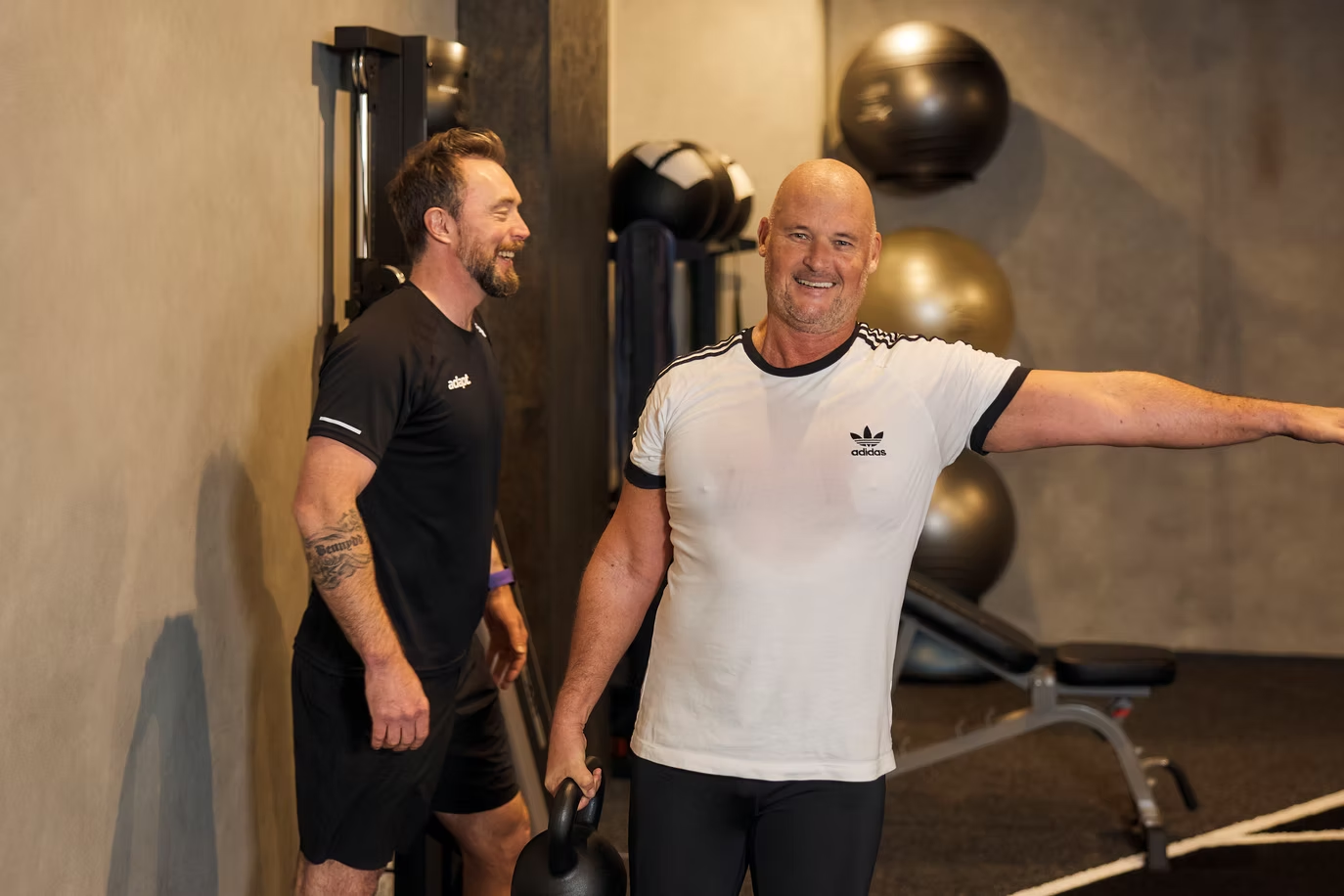
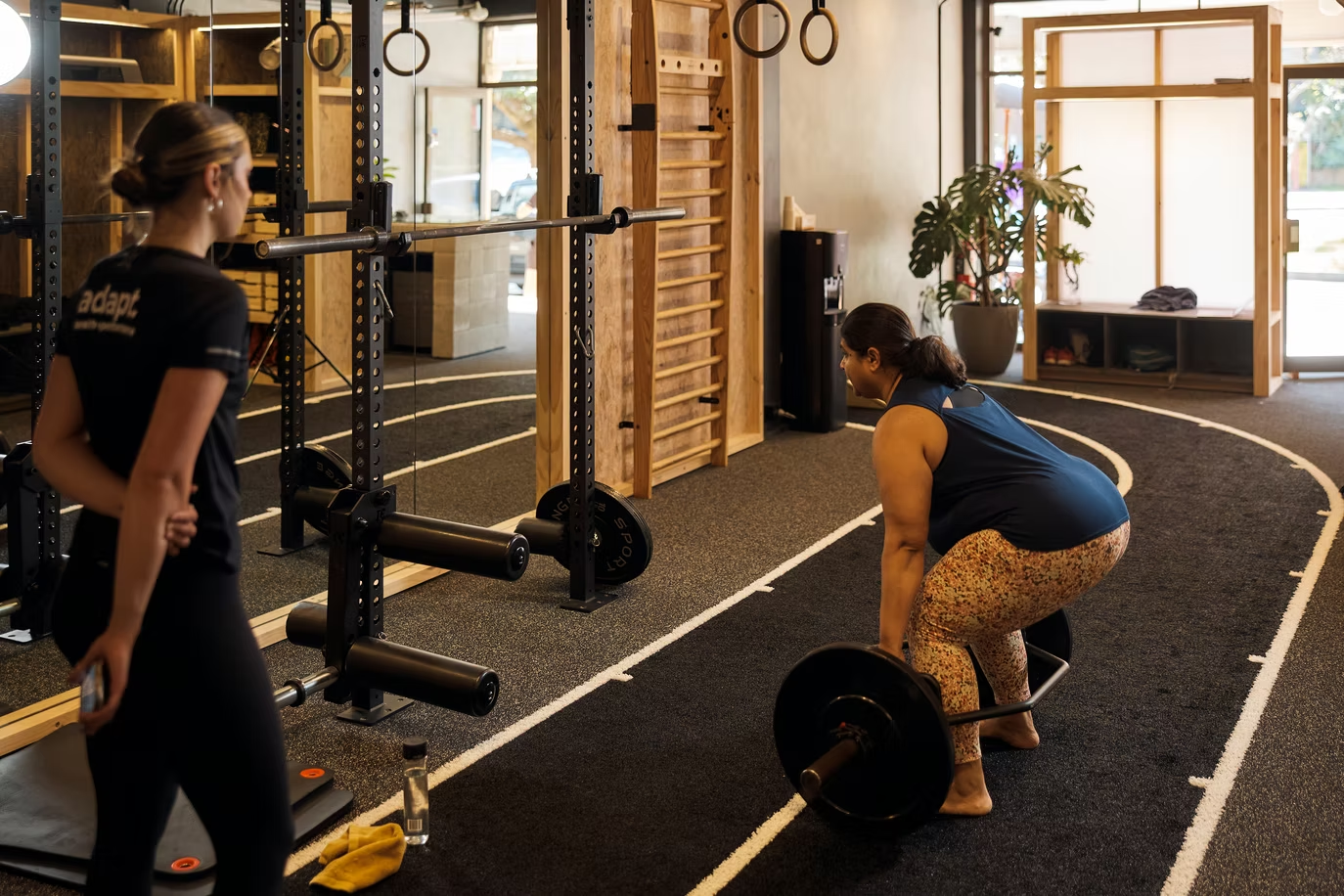
What return-to-sport criteria usually include
No single test decides readiness, so criteria are grouped and reviewed together, often with force plate and strength testing.
Strength
Force in the key muscle groups, compared side to side and with earlier results.
Hop and jump tests
How each leg produces and absorbs force in sport-like tasks.
Movement and sport skills
Quality and control in the cutting, landing and skills your sport demands.
Readiness
How ready you feel to train and compete without holding back.
Three stages of returning to sport
The stages follow an international consensus on return to sport, and each one is reviewed before the next begins.
Return to participation
Modified or restricted training, not yet at full sport level.
Return to sport
Playing your sport, but not yet at the level you aim for.
Return to performance
Performing at or towards your intended level.
The physiotherapists who review return to sport
Sam and John bring the testing and clinical findings into a shared decision with you, your coach and your surgeon.
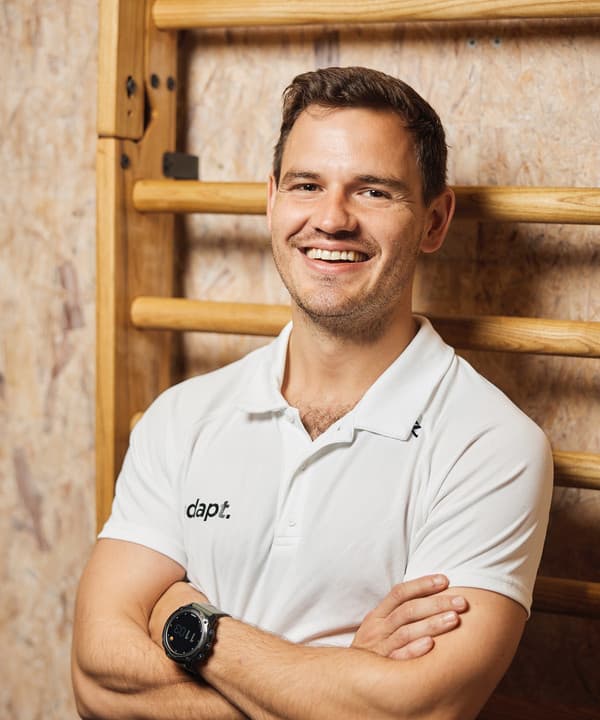
Reviews strength, movement and sport demands before a stage change.
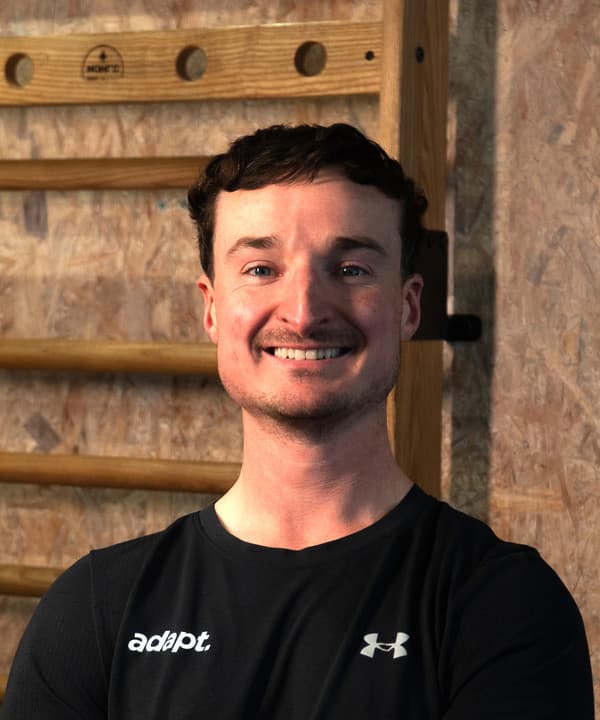
Coordinates testing results with the coaching plan for the next stage.
Who decides when I can return to sport?
It is a shared decision. The physiotherapist brings testing and clinical findings, the surgeon or doctor adds medical guidance, and you and your coach describe the demands, aiming for agreement on the next stage.
Book a physioQuestions about return to sport
Book a physioCan I train with my team while I am still in rehab?
Often in modified form during return to participation, as agreed with your physiotherapist. The session content, minutes and contact are set to match what the current stage allows.
What happens if I do not meet a return-to-sport criterion?
The result shows which capacity needs more work. The plan then holds or adjusts that quality rather than moving the whole stage forward on the calendar.
Does return to sport apply to recreational and social sport?
Yes. Criteria are matched to the demands of the activity, whatever the level. A social runner and a club footballer can share the same stages with different tests and loads.
Are there return-to-sport criteria for shoulder injuries?
Yes. Strength comparisons, range of motion and sport-specific tasks are used for upper-limb sport, in the same staged way as lower-limb plans.
Check our registration
Dr Sam Baylis and John MacAuliffe are registered physiotherapists. Return-to-sport decisions sit inside their clinical review, not a calendar date.
Last updated on 21 October 2026