
VALD ForceDecks: force plates that measure how you push, jump and land
VALD ForceDecks are twin force plates that record the force each leg produces as you stand, squat, jump, hop and land. At Adapt in North Sydney, physiotherapists use them when a measurement will inform the next decision in your rehab, such as tracking limb symmetry after knee surgery or checking readiness for return to sport.
Two plates, one reading for each leg
Because each foot stands on its own plate, ForceDecks separates what the left and right legs contribute to the same movement. That shows shifts the eye can miss, such as unloading one side in a squat or landing harder on the other, and gives your physiotherapist a record to compare at later reviews during ACL rehab.
How gym-based physiotherapy works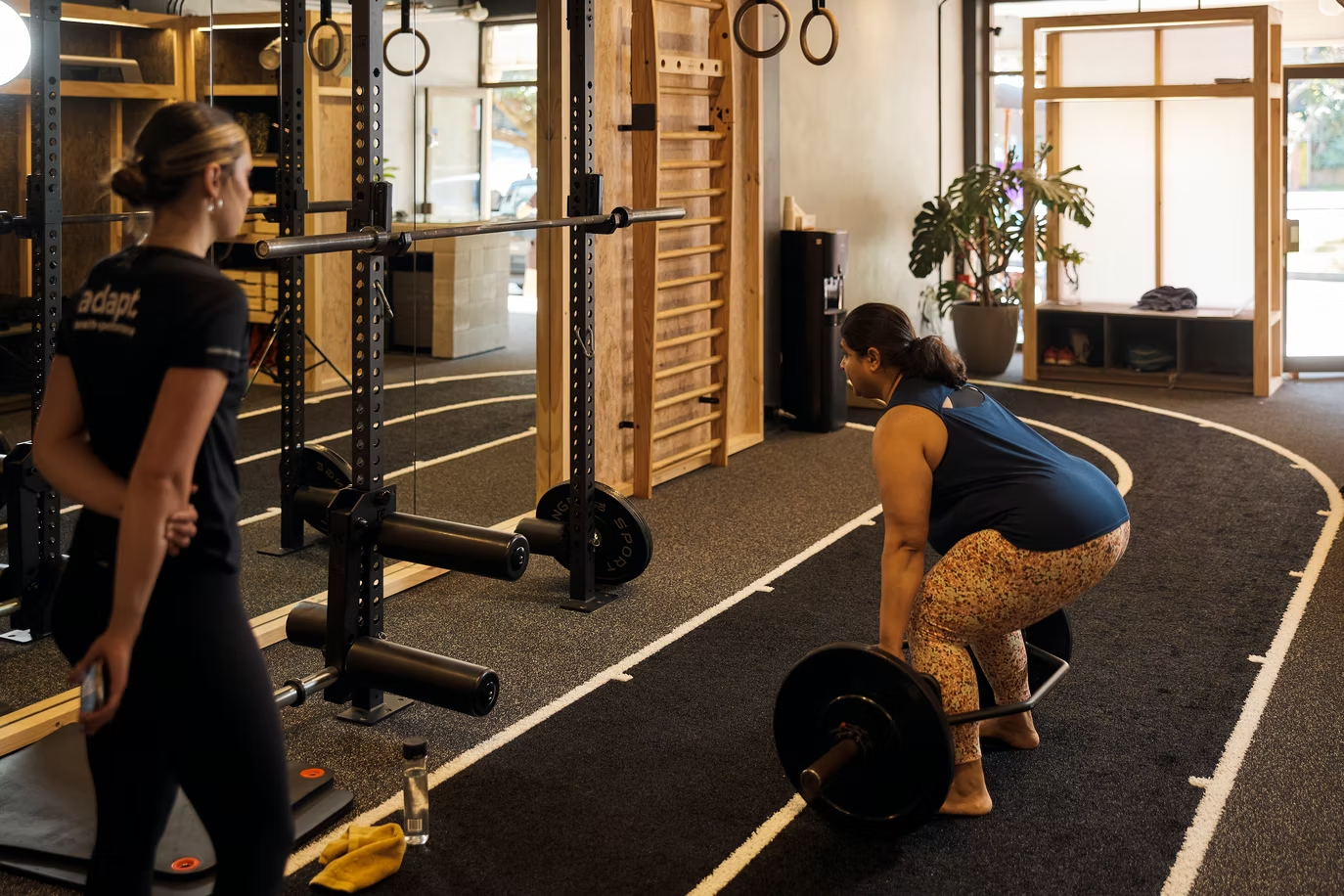
What a ForceDecks test involves
The test happens on the gym floor as part of a session, and your physiotherapist chooses movements that suit your current phase of physiotherapy.
Warm up
A short warm-up comes first, so the result reflects how you move rather than how stiff you are on arrival.
Record body weight
You stand still on both plates for a moment so the system records your body weight before each movement.
Repeat the movement
You complete a few trials of the chosen movement, such as a squat, a countermovement jump or a single-leg hop.
Read the result together
Your physiotherapist explains the force and side-to-side figures and how they fit the plan for the next block.
What the numbers describe
ForceDecks records whole-body tasks. Isolated muscle force is a different question, answered with ForceFrame strength testing.
Jump height and power
How high you jump and how quickly force is produced in the chosen task.
Left and right balance
How much each leg contributes to the same squat, hop or landing.
Landing
How each side absorbs force when you come down from a hop or jump.
Force over time
How the force trace changes across trials and later reviews of the same task.
The physiotherapists who run force plate testing
Sam and John choose the tasks, run the trials and decide whether the result changes the next block of work.

Selects ForceDecks tasks that match the current phase and explains the force traces.
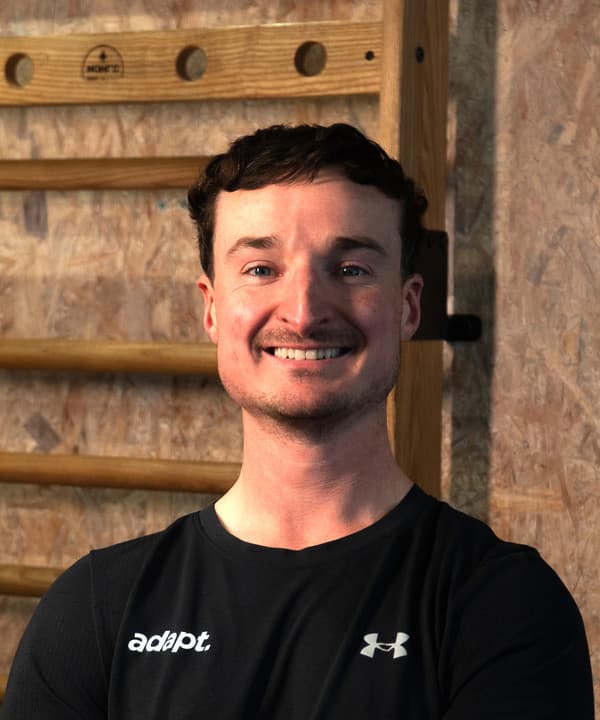
Uses left and right plate readings to decide which side needs more work next.
Is force plate testing claimable on my health fund?
There is no separate health fund item for force plate testing. When testing happens inside a physiotherapy appointment, that appointment may be claimable on extras cover depending on the policy, and the fee is confirmed before you attend.
See fees and rebatesQuestions about ForceDecks testing
Book a physioDo I need to be an athlete to have a force plate test?
No. The same plates measure standing, squatting and stepping tasks for people who are not returning to sport. Your physiotherapist chooses movements that match what you need to do and what the area currently tolerates.
What should I wear for a ForceDecks test?
Wear normal training clothes and the shoes you usually train in. The plates record force through your feet, so testing in the footwear you use for rehab or sport keeps the result closer to how you move in sessions.
Will a force plate test aggravate my injury?
Movements are chosen to match what the physiotherapist has already assessed as suitable. You can stop any trial. If a task feels too much, the test is changed or left for a later review.
How are ForceDecks results used after the test?
Results are compared with earlier sessions and with the other side, then used to adjust the next block of supervised work. The number sits with clinical findings rather than standing as a score on its own.
Check our registration
Dr Sam Baylis and John MacAuliffe are registered physiotherapists. ForceDecks testing is run inside their physiotherapy appointments when a measurement will inform the next decision.
Last updated on 21 October 2026