
MSK: what musculoskeletal means in physiotherapy
MSK is short for musculoskeletal, the system of muscles, bones, joints, tendons, ligaments and connective tissue that lets you move and carry load. Most of what physiotherapy at Adapt in North Sydney assesses and treats is musculoskeletal, from back pain and shoulder problems to rehab after joint surgery, with the exercise continuing on the gym floor.
Common musculoskeletal problems
Problems are usually grouped by the region or tissue involved, because that shapes the assessment and the exercise that follows.
Spine
Low back pain, sciatica and stiffness through the back.
Shoulder
Rotator cuff, stiffness and pain lifting or reaching.
Knee
Ligament injuries, surgery and joint replacement.
Tendons and muscles
Strains and tendon pain linked to training or sport.
How an MSK assessment builds a plan
A first physiotherapy appointment works through the same sequence whatever the region, and range of motion is one of the measures taken.
Listen
What happened, what aggravates it, and what you need the area to do in work, sport or daily life.
Examine
Movement, strength and the tissues involved, compared with the other side where that helps.
Explain
A working explanation of the problem in plain language, including what is known and what still needs review.
Plan
Treatment, exercise and when the plan will be reviewed, written so the gym sessions can follow it.
From the treatment room to the gym floor
MSK problems are assessed in a treatment room, but most of the work that follows is exercise. At Adapt that exercise continues on the gym floor through gym-based physiotherapy, with progressive loading set by the same physiotherapist who assessed you.
How gym-based physio works

What is the difference between MSK physio and sports physio?
Sports physio is musculoskeletal care organised around the demands of a sport. The assessment is the same, and the plan and testing are matched to training and competition.
Sports physioQuestions about musculoskeletal problems
Book a physioDo I need a scan before seeing a physio for an MSK problem?
Usually not. The physiotherapist decides after assessment whether imaging or a medical review is needed. Bring any existing scans or reports if you already have them.
Is arthritis a musculoskeletal condition?
Yes. Osteoarthritis affects joints and is commonly managed with exercise-based care, alongside medical advice from your GP or specialist when that is already in place.
What should I bring to an MSK physiotherapy appointment?
Bring a referral or scan reports if you have them, a list of medications, and clothes you can move in. Shoes you train in help if the problem is linked to sport or the gym.
Can I keep training with an MSK injury?
Often in modified form. The physiotherapist sets what to keep, change or pause, and can share that with your coach if you train at Adapt.
The physiotherapists who assess MSK problems
Sam and John assess MSK problems in the treatment room and carry the same plan onto the gym floor.

Assesses musculoskeletal problems and writes the exercise that follows.
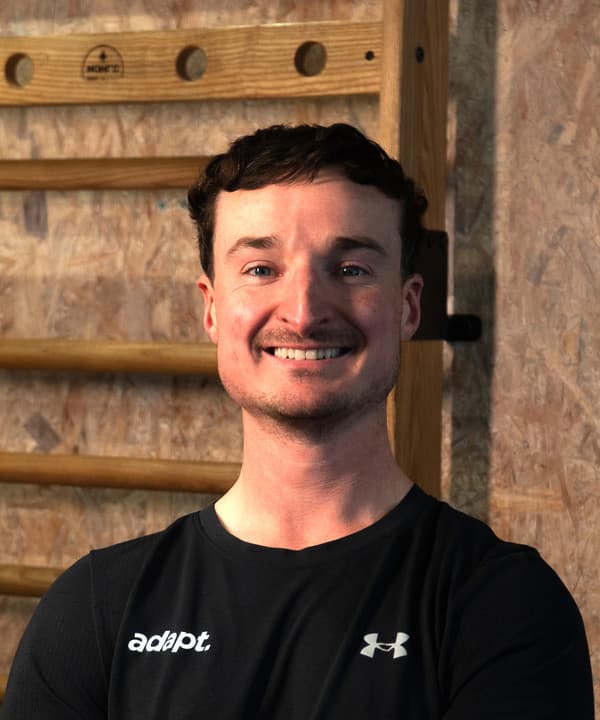
Links MSK assessment with training load on the gym floor.