AdaptBook
Menu

What strength testing adds to a return to sport decision

A strength test compares your injured side with your other side, often as a limb symmetry index. Your physiotherapist reads that figure with the clinical review and the demands of your sport before deciding the next step.

What a strength test shows and misses

The figure is useful when you know which question it answers, and which parts of a return decision still sit with the clinical review.

What a strength test can show and what it leaves out in a return to sport decision at Adapt
What testing showsWhat it leaves out
StrengthHow much force a selected muscle group produced on each side in a set positionWhether that force is enough for the tasks in your sport
PowerHow quickly force was produced in a selected jump, land or pushSkill, timing and decisions that happen once the ball is in play
Change over timeWhether the same test has moved since the last reviewWhat the sessions between those reviews actually included, unless those sessions are reviewed as well
ComparisonThe injured side as a percentage of the other side, written as a limb symmetry indexHop tests, movement quality and the demands of the sport, which sit outside this figure

How the symmetry index works

The index divides your injured side's result by your other side's, so 90 per cent means nine tenths of the force. van Melick and colleagues (2016) recommend strength, hop and movement tests together rather than one figure.

More even quadriceps strength at return went with fewer knee reinjuries in the Delaware-Oslo cohort (Grindem and colleagues, 2016), so the comparison is tracked through ACL rehab.
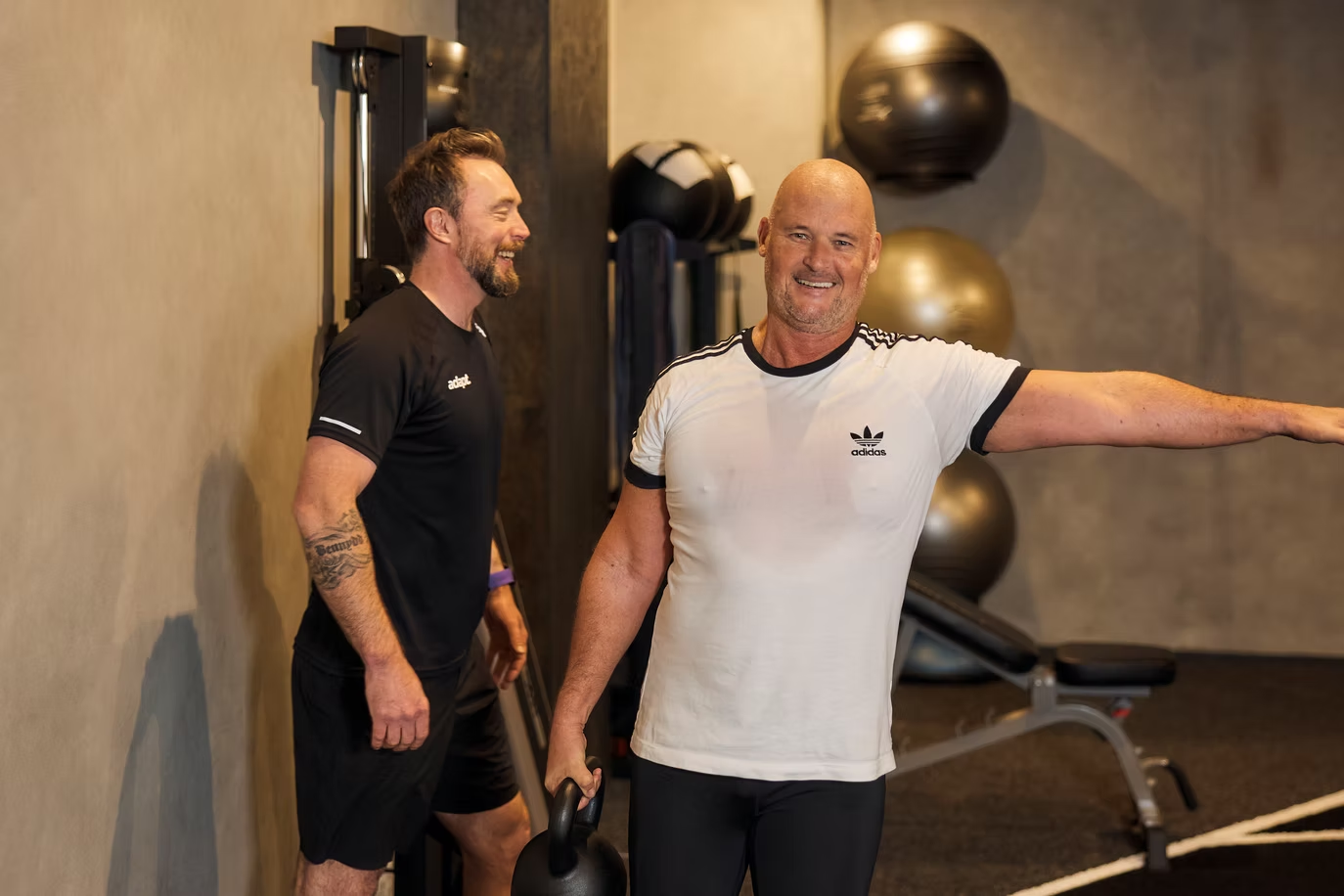
Coach in a black Adapt shirt standing beside a client holding a kettlebell in one hand with the other arm out at Adapt, North Sydney

What if my limb symmetry index is below 90 per cent?

Keep building the current block and retest at the next review. van Melick and colleagues recommend a test battery rather than a 90 per cent rule, and your physiotherapist reads the figure with the clinical review.

How the symmetry index works

Testing when it changes the plan

VALD ForceDecks and ForceFrame are used when a result will change the next step, such as keeping or changing loads. Between reviews, coaches run supervised sessions on the gym-based physiotherapy floor from your written plan.

Gym-based physiotherapy
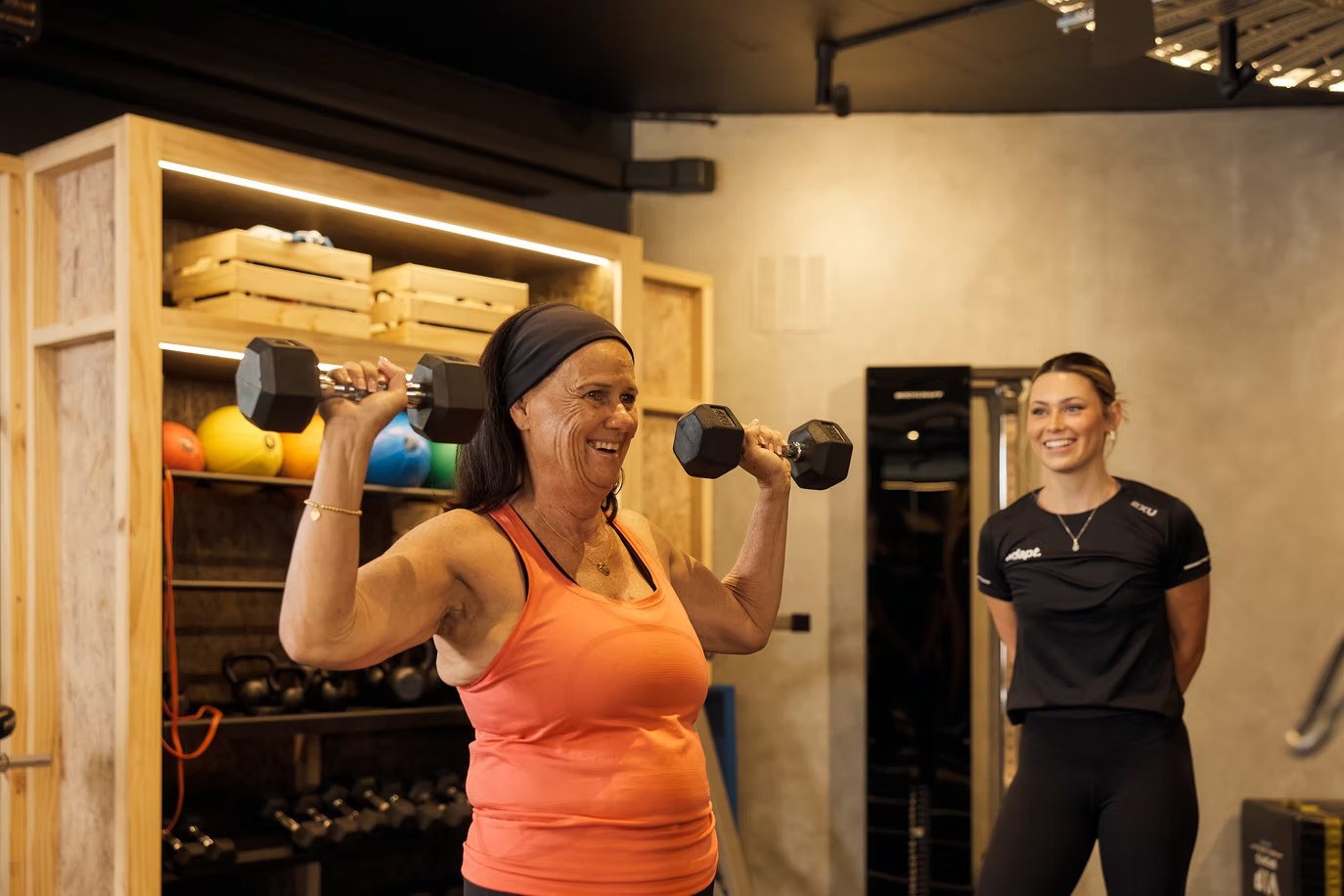
Client in an orange tank pressing hex dumbbells to head height while a coach in black watches from the timber storage at Adapt, North Sydney
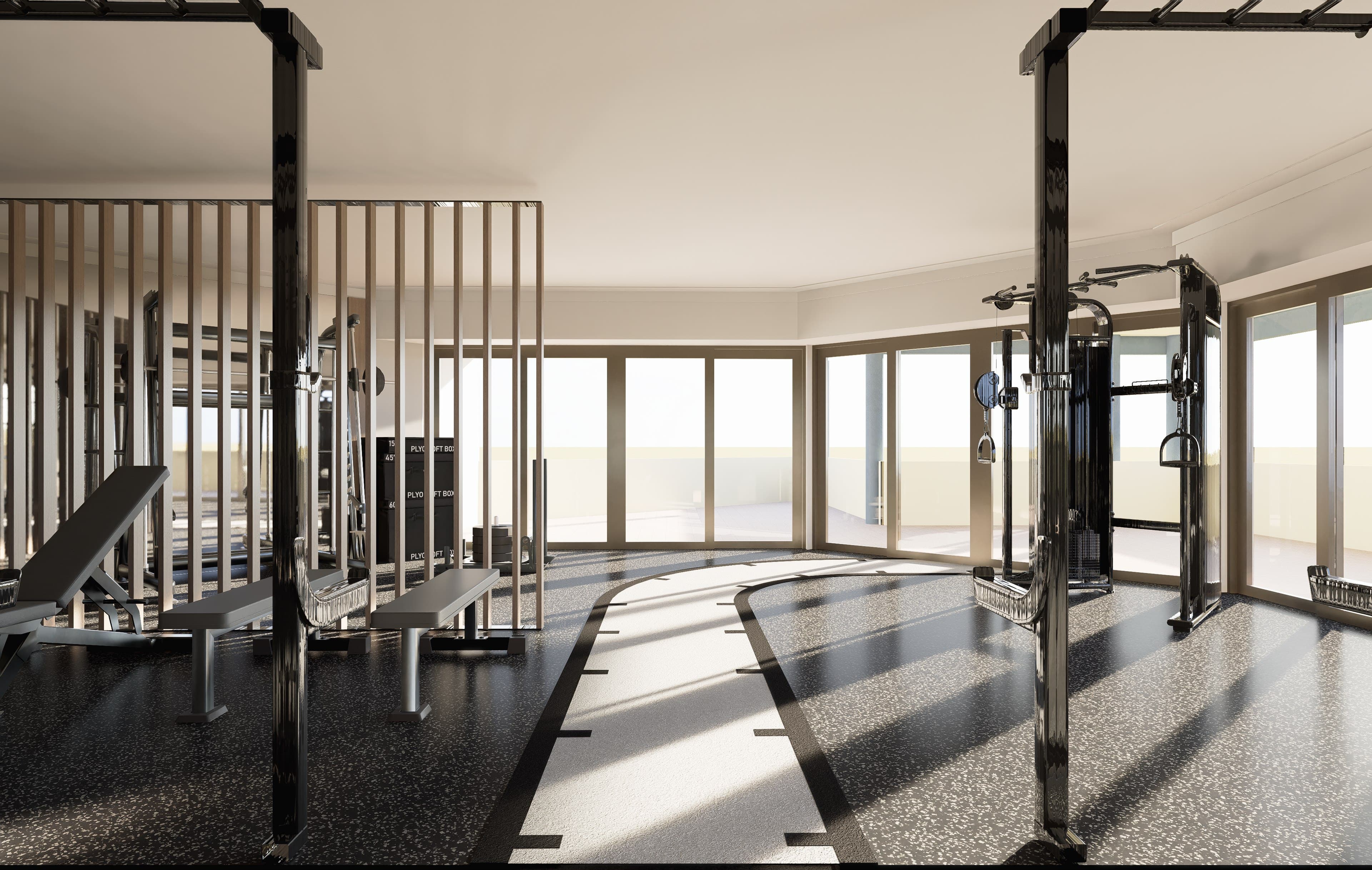
Render of an open training floor with cable stations, benches and a marked lane toward corner windows at Adapt, North Sydney

Who reads the results

Dr Sam Baylis and John MacAuliffe decide each return step, and James Bowen's coaches run the sessions.

  • James Bowen, Director & Head of Training at Adapt, North Sydney

    James Bowen

    Director & Head of Training

    Accredited Strength & Conditioning Coach

    James Bowen

    Coaches the strength work between reviews from the physiotherapist's current plan.

  • Dr Sam Baylis, Director & Physiotherapist at Adapt, North Sydney

    Dr Sam Baylis

    Director & Physiotherapist

    Physiotherapist, DPT, AHPRA-registered

    Dr Sam Baylis

    Reads strength tests with the clinical review before a return.

  • John MacAuliffe, Senior Physiotherapist at Adapt, North Sydney

    John MacAuliffe

    Senior Physiotherapist

    Physiotherapist, AHPRA-registered

    John MacAuliffe

    Reads training load and test results before the next block.

Returns we plan testing around

Testing is added in these plans when a side-to-side comparison will change the next step.

  • ACL reconstruction

    Quadriceps comparisons are tracked through each phase of rehab.

  • Shoulder rehab

    A strength comparison is added when it will change pressing or overhead loads.

  • Sports physio

    The test and your sport's calendar are read together at each review.

  • After surgery

    Your surgeon's protocol sets what is allowed, and testing adds a number.

Retesting sits between training blocks

A retest uses the same set-up as the first, so your physiotherapist can see whether the gap has moved after a block. The next block is written from that reading and what your sport still needs.

How blocks, sessions and reviews fit together is set out in how gym-based physiotherapy works.

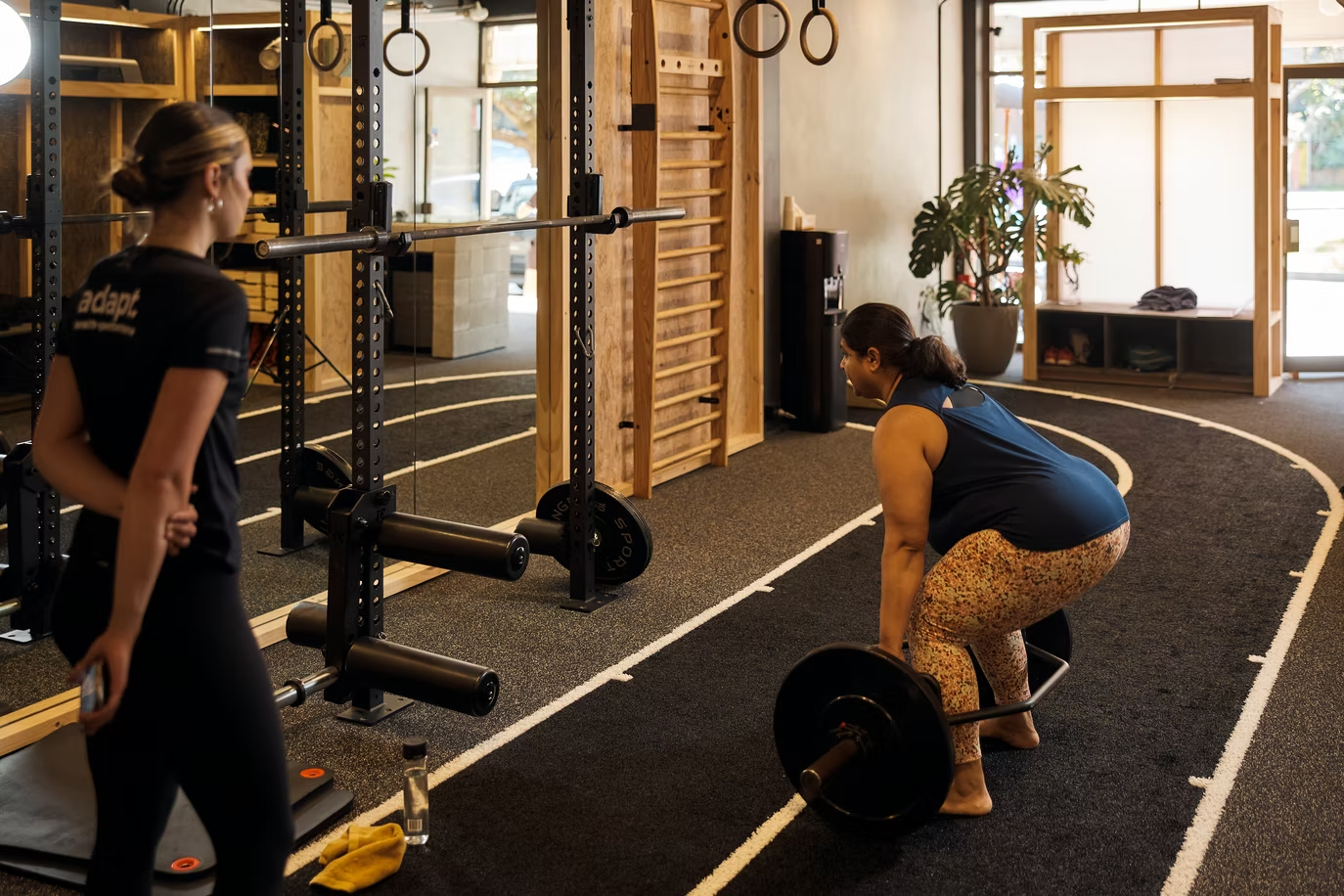
Coach watching a client lift a trap bar from the marked gym floor at Adapt, North Sydney

Can I claim VALD strength testing on extras?

No, strength testing is not claimable on extras. A physiotherapy appointment may be, depending on your cover. Check the current fees before you book, or contact Adapt to confirm claiming first.

See fees and rebates

Questions about strength testing

Book a physio

Is a limb symmetry index enough on its own for a return decision?

No, the index is one comparison your physiotherapist reads with the clinical review, hop tests, movement quality and the demands of your sport. van Melick and colleagues recommend that battery to guide return to play, rather than any single figure.

Why is the uninjured side tested as well?

The limb symmetry index needs both results, because it divides the injured side by the other side. How the injured side feels on its own does not show that gap, which is why both sides are recorded when a comparison will inform the next step.

If a hop test and a strength test disagree, which result is used?

Both remain inputs. van Melick and colleagues recommend strength tests, hop tests and movement quality together, so your physiotherapist does not drop one result because the other looks more even. The clinical review and the sport's demands sit with those figures.

Do I need a gym membership for return-to-sport testing?

No. Testing sits inside a physiotherapy review when a measurement will inform the next step. Supervised gym sessions are a separate part of gym-based physiotherapy and are not required for a comparison to be recorded.

When is a strength test added after surgery?

When the surgeon's protocol allows the test position and the clinical review needs a number beside how the area feels. There is no set week that applies to every operation, and the first comparison is chosen for the question it will answer.

Who decides the next step after a test?

Your physiotherapist decides each progression and return decision, reading the figure with the clinical review and the sport's demands. Coaches run the supervised sessions from that updated plan.

Sources

  1. Simple decision rules can reduce reinjury risk by 84% after ACL reconstruction: the Delaware-Oslo ACL cohort study

    British Journal of Sports Medicine, 2016

  2. Evidence-based clinical practice update: practice guidelines for anterior cruciate ligament rehabilitation

    British Journal of Sports Medicine, 2016

Discuss your testing at Adapt

Check our registration

Sam and John are registered physiotherapists who decide each progression and return decision at Adapt. Their AHPRA registration details are on their profiles.

Last updated on 21 October 2026