
AdaptBook
Menu

Strength training for longevity, and where cardio fits

Australia's physical activity guidelines ask adults for muscle-strengthening activities on 2 or more days per week, as well as aerobic activity. At Adapt, personal training and small group classes build the strength work in, with cardio fitted around it.

What the guidelines ask for

Australia's physical activity guidelines ask adults to do muscle-strengthening activities on 2 or more days per week, plus functional activities targeting mobility, balance, and coordination on 3 or more days, plus aerobic activity. Strength is a separate recommendation.

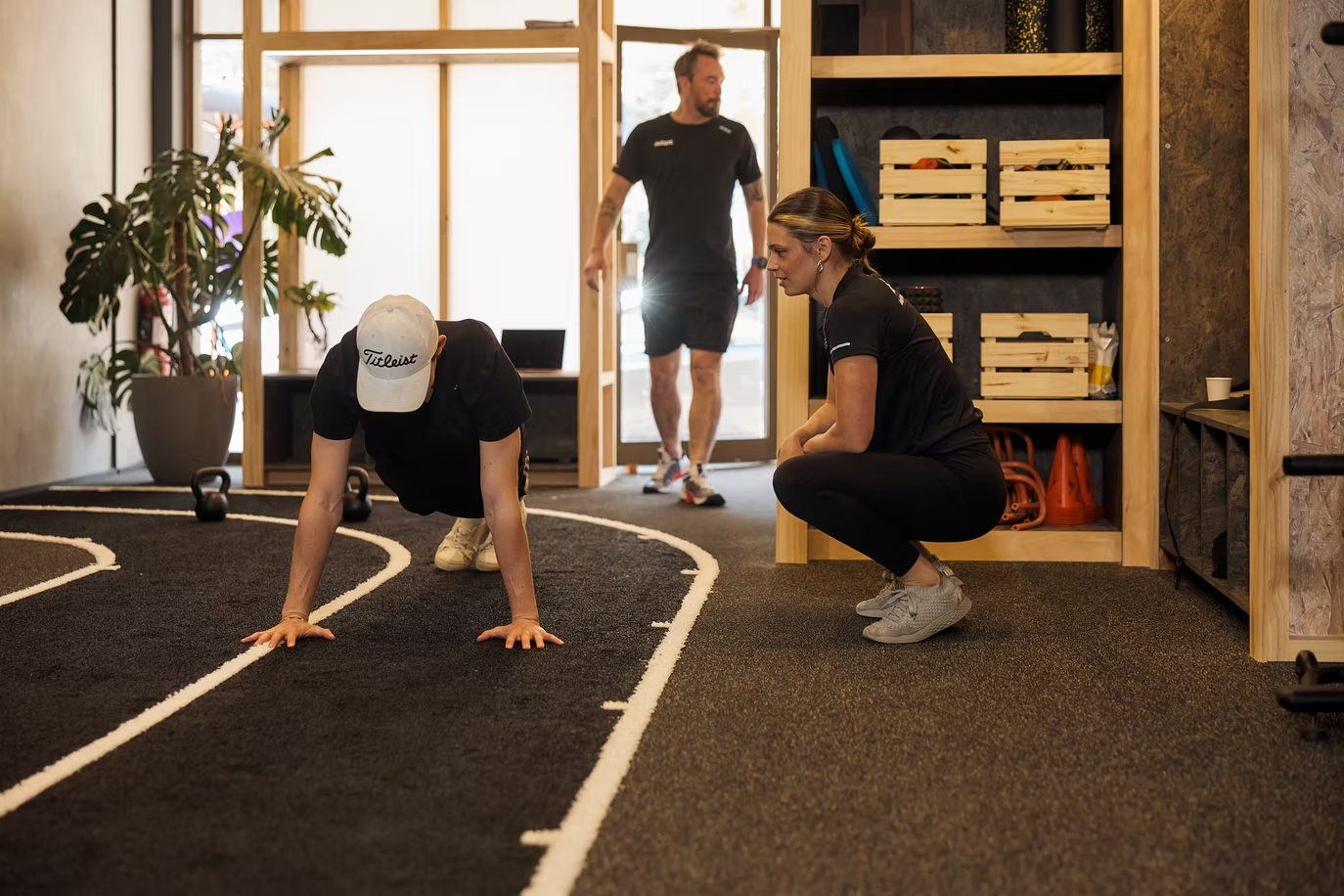
Coach crouching beside a client holding a push-up on the white-lined turf at Adapt, North Sydney
Empty gym floor with hanging rings, a squat rack and a curved turf track at Adapt, North Sydney

What the research links strength training with

A 2022 meta-analysis of 16 cohort studies (Momma and colleagues) linked muscle-strengthening activities with a 10 to 17 per cent lower risk of all-cause mortality, cardiovascular disease, total cancer, diabetes and lung cancer.

These associations cannot predict what lifting does for one person. Coaches write the strength work into your week on the gym floor, with cardio around it.
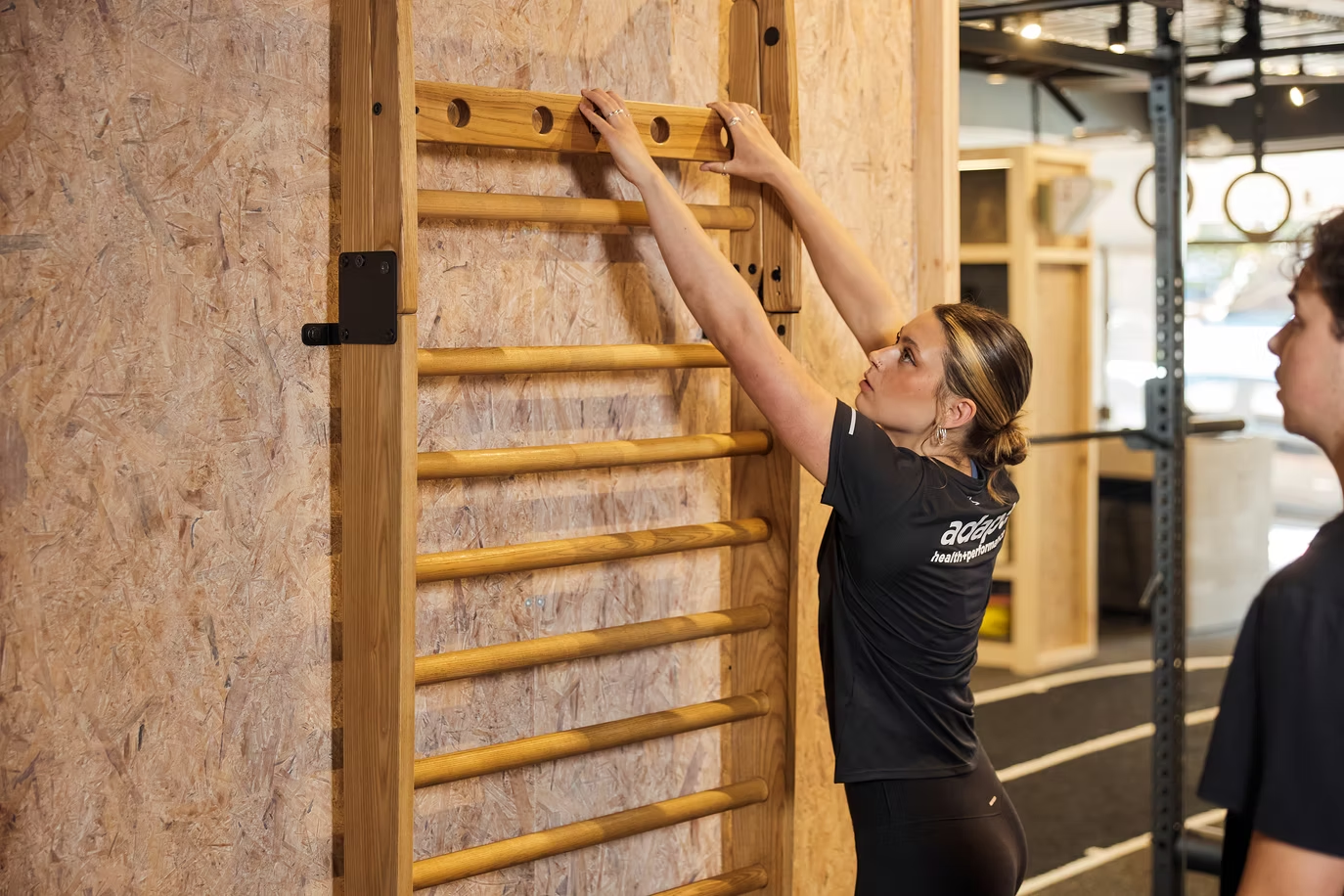

Coach reaching for wooden wall bars while a client watches at Adapt, North Sydney

Strength and cardio in one week

The guidelines list strength on 2 or more days per week alongside aerobic activity, so strength days go in first.

How strength work and aerobic activity sit in the same week at Adapt
Strength workAerobic activity
What the guidelines ask forMuscle-strengthening activities on 2 or more days per weekAerobic activity as its own category, not a replacement for strength
What it looks likeCoached lifts in personal training or a small group classCardio kept in the week around those strength days
Who plans it at AdaptCoaches write and run the strength sessionsYou keep aerobic activity in the week rather than swapping it for lifting
How they sit togetherStrength days are booked first so they actually happenCardio fills the remaining days, or sits after the lifting session

Can I start strength training in my fifties or sixties?

Yes. Australia's guidelines for adults 18 to 64 ask for muscle-strengthening activities on 2 or more days per week, including if you have never trained. A coach starts from what you can do now.

Start personal training

Who plans strength and cardio at Adapt

James Bowen and Teal Kilbride coach the strength week, and Dr Carla Sullivan-Myers leads clinical care when a niggle needs a plan.

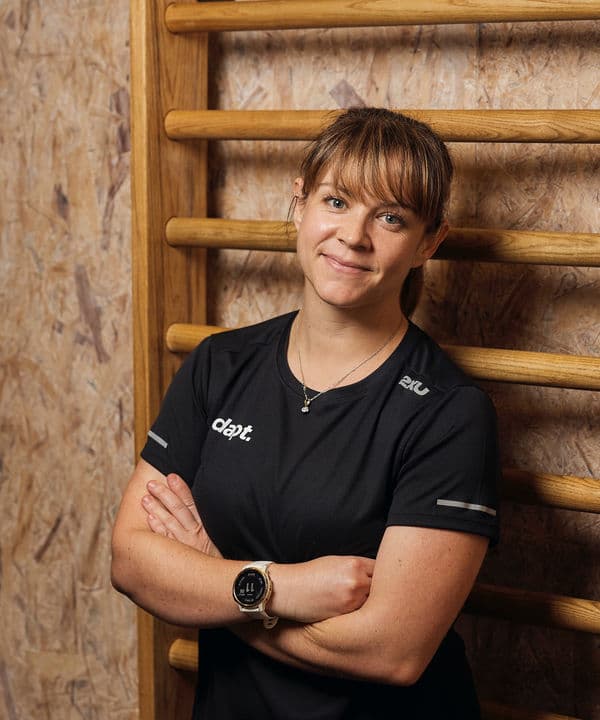
  • James Bowen, Director and Head of Training at Adapt, North Sydney

    James Bowen

    Director & Head of Training

    Accredited Strength & Conditioning Coach

    James Bowen

    Sets the strength days in your week and fits cardio around them.

  • Teal Kilbride, coach of personal training and group strength at Adapt, North Sydney

    Teal Kilbride

    Strength & Conditioning Coach

    Teal Kilbride

    Coaches the lifts in personal training and small group classes.

  • Dr Carla Sullivan-Myers, Director and Head of Clinical Delivery at Adapt, North Sydney

    Dr Carla Sullivan-Myers

    Director & Head of Clinical Delivery

    Chiropractor, Master of Chiropractic, PhD

    Dr Carla Sullivan-Myers

    Leads clinical delivery when a niggle needs assessing first.

When something hurts during strength work

If a niggle is limiting how you move, book a physiotherapy assessment rather than guessing which exercises to skip. The coaches keep your week going from that plan.

A physio appointment adjusts the lifting rather than replacing it with cardio, and the plan is rewritten around what you can load now.

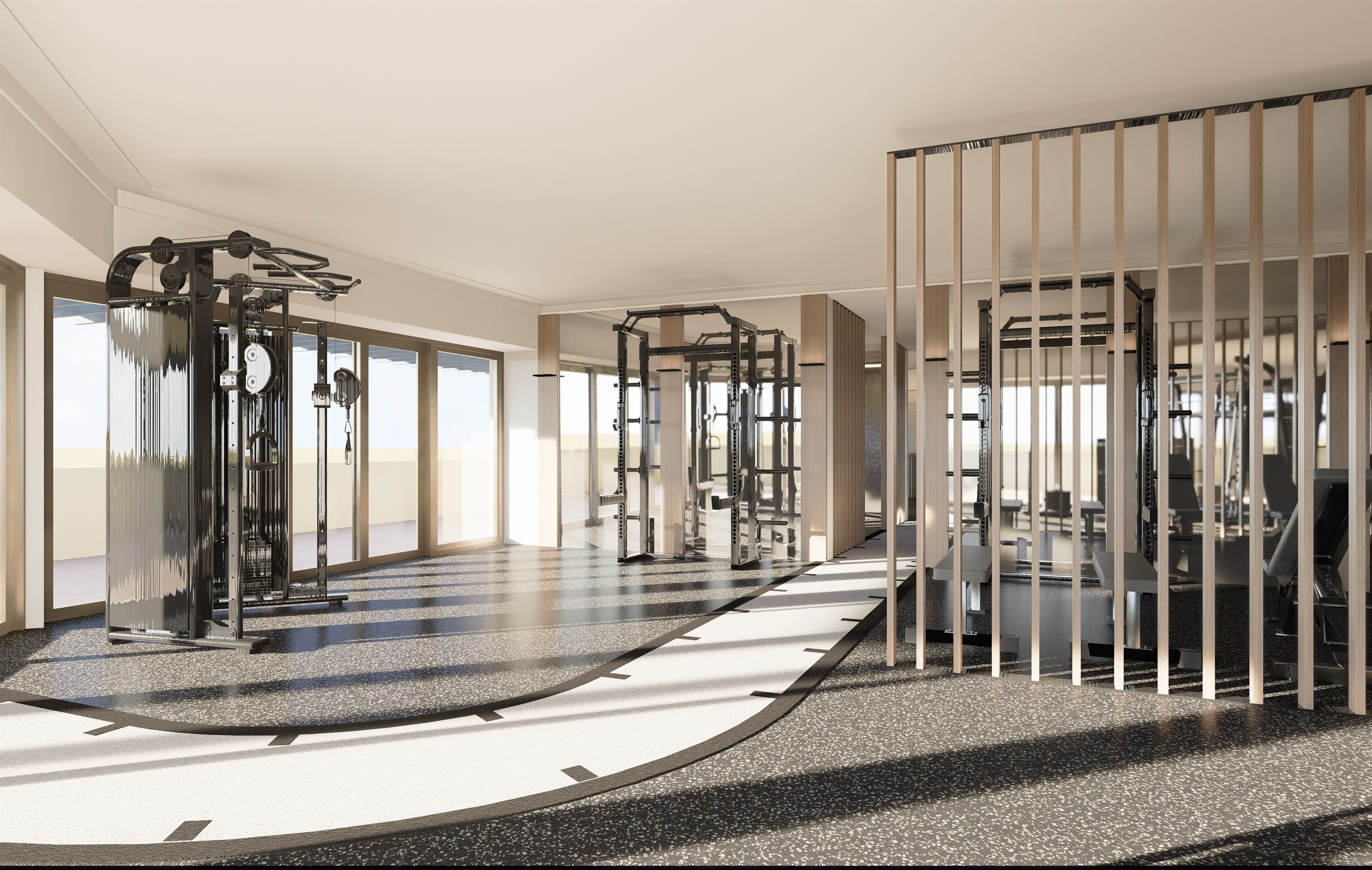
Render of a cable station, squat racks and timber screen beside a curved track at Adapt, North Sydney

Does Adapt set a fixed number of strength sessions each week?

No. The guidelines ask for strength on 2 or more days per week, and your coach fits that around the rest of your week. Gym time on your own can sit around the coached days.

Gym membership

Questions about strength and cardio

Start personal training

If I already walk or run most days, do I still need strength work?

Yes. Australia's guidelines ask for muscle-strengthening activities on 2 or more days per week as well as aerobic activity, so walking does not cover strength. Coaches put strength days in and leave walking around them.

Can I do strength work and cardio on the same day?

Yes. Momma and colleagues (2022) found combined strength and aerobic activity was associated with lower all-cause, cardiovascular and cancer mortality than doing neither. Your coach can plan lifting first and leave cardio around it.

How is a week of strength training priced at Adapt?

It depends on whether you start with personal training, small group classes or gym membership, and the team confirms the fee before you begin. Training is not claimed on extras. Send a message through contact to check what applies.

If a joint niggles when I lift, who should I book?

Book a physiotherapy assessment when pain or an old injury is limiting how you move, so the coaches can work from that plan. If you are well and want a program, start with personal training and tell your coach anything that still niggles.

Do I need a gym membership if I already have a coach?

Not necessarily. Personal training and small group classes are booked as coached sessions, and gym membership is for training on your own program during staffed hours. Ask the team which mix fits the week you can keep.

Does the research show that lifting will lengthen my life?

No. Momma and colleagues reported associations from 16 cohort studies, which cannot say what lifting will do for one person. The guidelines still ask for muscle-strengthening activities on 2 or more days per week, and Adapt coaches plan that work with you.

Sources

  1. Muscle-strengthening activities are associated with lower risk and mortality in major non-communicable diseases: a systematic review and meta-analysis of cohort studies

    British Journal of Sports Medicine, 2022

  2. 24-hour movement guidelines: recommendations for adults 18 to 64 years

    Australian Government Department of Health and Aged Care, n.d.

Start strength training at Adapt