
AdaptBook
Menu

Rest or keep moving with back pain?

For most low back pain, staying active is recommended over bed rest, as Australia's Low Back Pain Clinical Care Standard advises. A physiotherapy assessment sets how much to do, then carries it into supervised gym work when it suits.

James Bowen holding a black foam roller in front of medicine balls and kettlebells at Adapt, North Sydney

Why bed rest is rarely the plan

Australia's Low Back Pain Clinical Care Standard encourages people to stay active and keep up usual activity, including work, and says prolonged bed rest should be discouraged. An Adapt assessment for back pain starts by deciding which daily tasks stay in.

Back pain and sciatica

When to see a doctor first

Contact your GP first, or call 000 in an emergency, if you notice any of these.

  • Bladder or bowel changes

    New trouble controlling urine or bowel movements needs urgent review.

  • Numbness or leg weakness

    Numbness in the saddle area or genitals, or new or worsening leg weakness.

  • Fever or weight loss

    Fever or feeling unwell with the pain, or unexplained weight loss.

  • After a fall

    Pain that started after a fall or accident needs urgent care.

How movement is built back up

Your physiotherapist decides what stays, what changes and when load is added.

Book a physio
  1. Assess

    We look at the symptom pattern and set a starting level of activity.

  2. Keep daily life moving

    Walking, sitting and work stay in, with changes to how you do them.

  3. Add graded strength

    Strength work is added when the review supports it, and coaches run it.

  4. Prepare for harder tasks

    Later blocks practise the lifts, long days or sport you are returning to.

How the first strength work is chosen

Waddell, Feder and Lewis (1997) found bed rest may delay recovery from acute low back pain, while staying active went with an earlier return to work. Your physiotherapist chooses the starting loads at the first appointment.

Early work is often walking, supported hinges or band work, and reviews decide what changes next, which is how gym-based physiotherapy carries the plan.
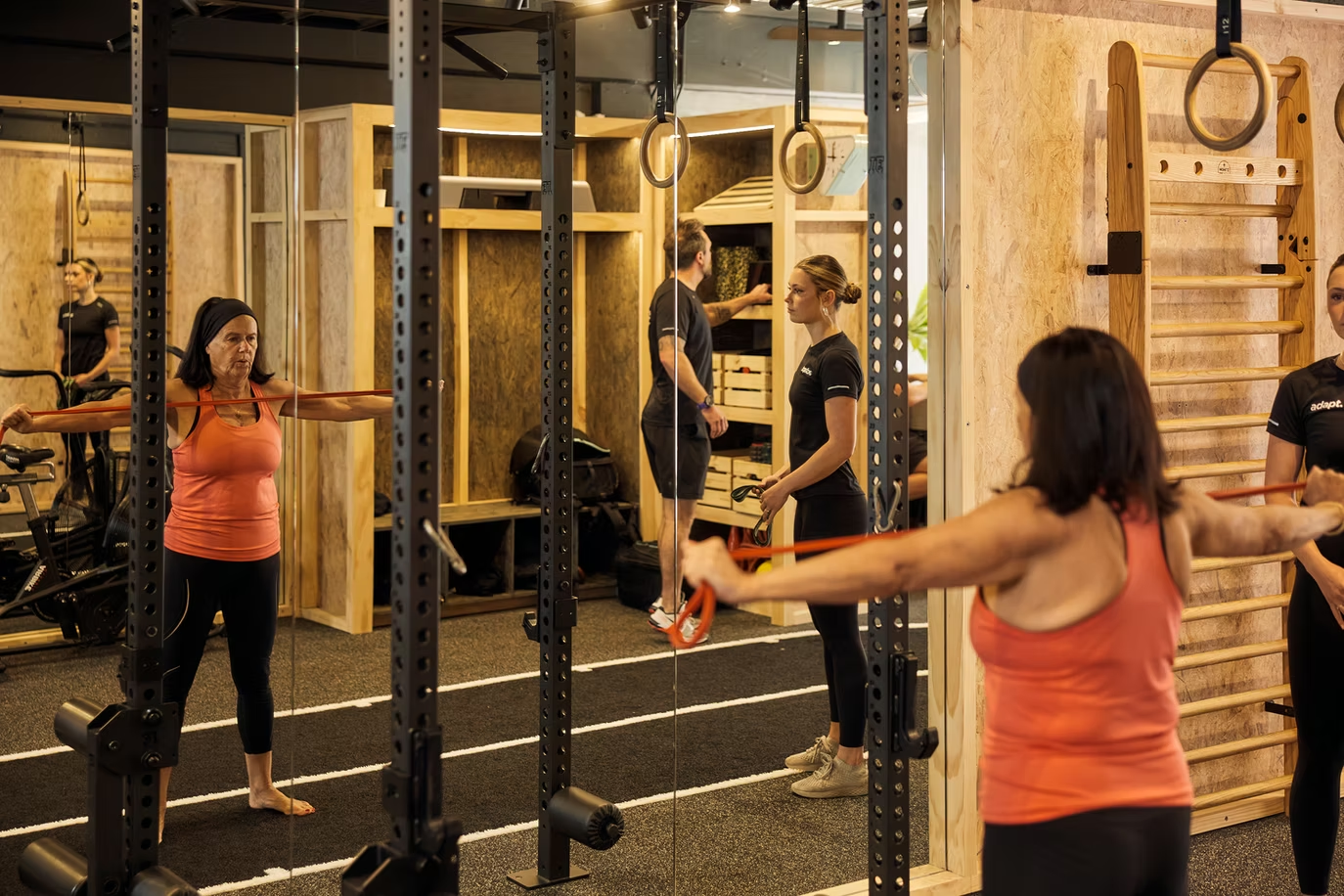

Client holding a red resistance band at shoulder height, seen in the gym mirror, at Adapt, North Sydney

What should I do when a back-pain flare starts mid-week?

Keep the daily tasks that still feel manageable and drop the last load increase. Book a review if the flare lasts more than a few days or a warning sign appears.

When to see a doctor first

The physiotherapists who plan the first movements

Dr Sam Baylis and John MacAuliffe assess back pain at Adapt and write the plan the coaches run.

  • Dr Sam Baylis during clinic hours at Adapt, North Sydney

    Dr Sam Baylis

    Director & Physiotherapist

    Physiotherapist, DPT, AHPRA-registered

    Dr Sam Baylis

    Sets which daily tasks stay in and when strength work is added.

  • John MacAuliffe during clinic hours at Adapt, North Sydney

    John MacAuliffe

    Senior Physiotherapist

    Physiotherapist, AHPRA-registered

    John MacAuliffe

    Reviews how your back responds, then writes the next load.

The plan stays with the same physiotherapist

Coaches run supervised sessions from the written plan, and your physiotherapist reviews what changed before load is added. Early sessions may use quieter floor work or the stretching room. Book a physio to get that plan written.

Book a physio
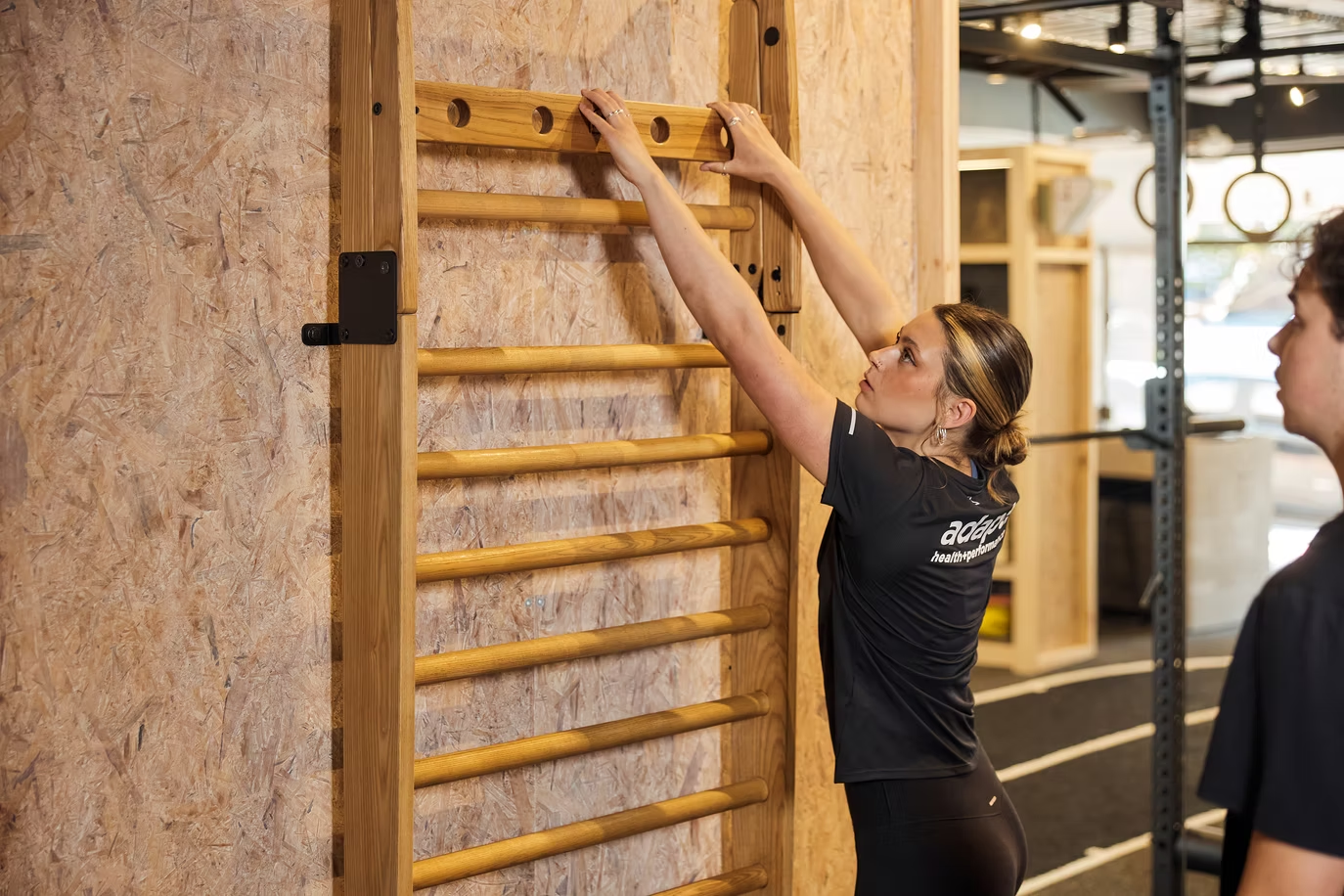
Coach reaching to wooden wall bars while a client stands beside her at Adapt, North Sydney
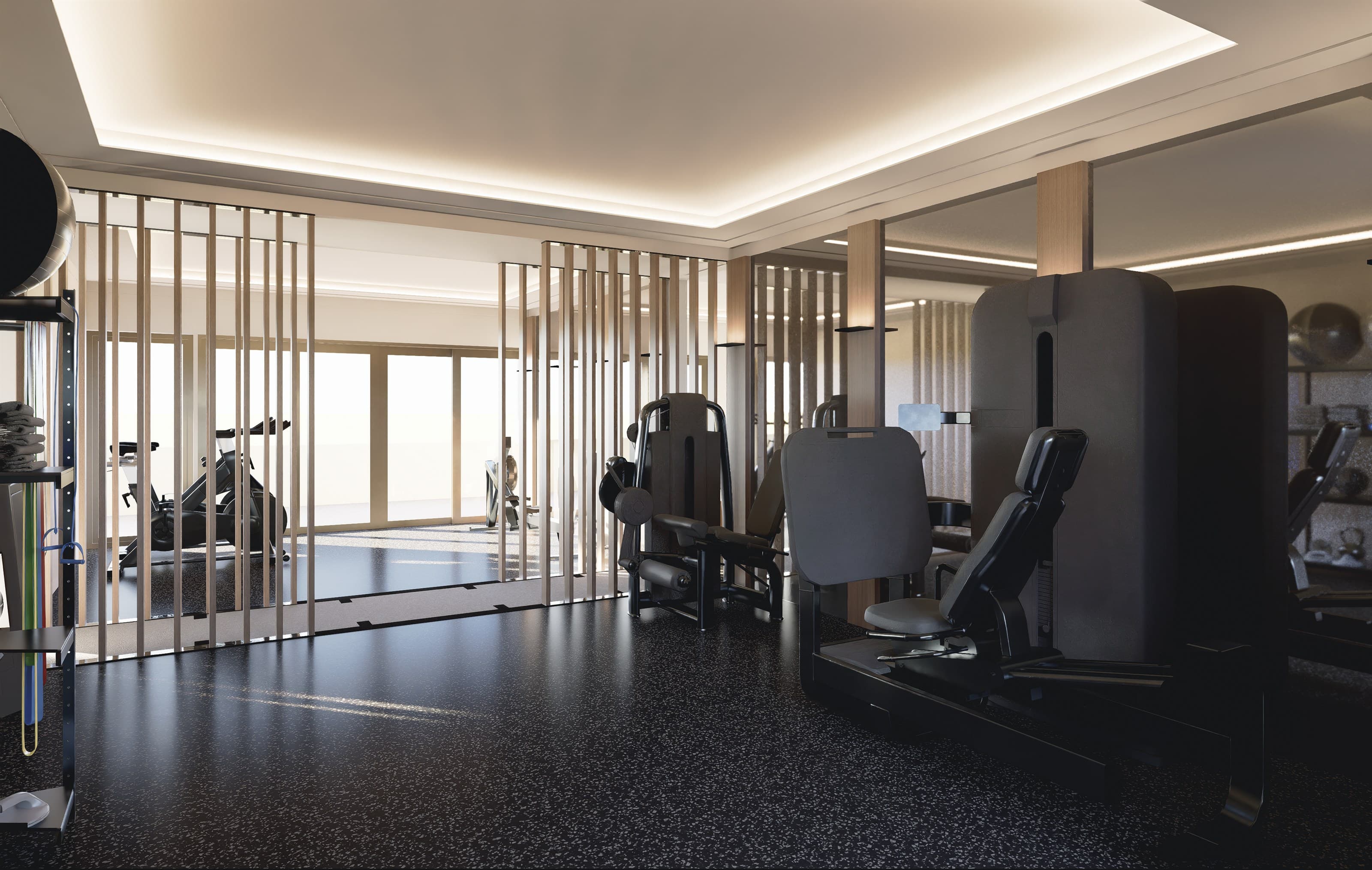
Render of the stretching room with a seated machine and an exercise bike behind a timber screen at Adapt, North Sydney

Can I keep going to work with low back pain?

Usually yes, with changes to how you sit, lift or move, because the Low Back Pain Clinical Care Standard encourages continuing usual activity, including work, as soon as possible or feasible. Your physiotherapist sets those changes at the assessment.

Physio for CBD commuters

Questions about rest and movement

Book a physio

Should I stay in bed when my lower back first hurts?

No. Australia's Low Back Pain Clinical Care Standard encourages staying active and continuing usual activity, including work, as soon as possible. A physiotherapy assessment then sets which movements to start with.

How much walking is enough in the first few days?

There is no set distance. Your physiotherapist chooses a starting amount from how the back behaves and what you already do in a day, then reviews whether that amount stays, increases or is reduced.

Do I have to stop the gym until the pain settles?

Not always. The assessment decides which lifts or classes can stay, which need a lighter version and which wait, so the plan is not a stretch of days in bed while every session is cancelled.

How is the fee for a back-pain assessment confirmed?

The fee depends on the appointment type and length, and Adapt confirms it before you book. If you have extras cover, any rebate for the physiotherapy consult depends on your fund, policy and remaining limits, which is explained on the fees and rebates page.

When should I book a physio instead of waiting it out?

Book if the pain is stopping usual activity, has not settled after a short period of staying active, or you need a plan for work or training. See a doctor if a warning sign appears, and contact Adapt if unsure.

Who decides when I can add heavier lifting?

Your physiotherapist decides. Coaches run the supervised work from that plan, and the load changes at review rather than on a fixed number of sessions.

Sources

  1. Low Back Pain Clinical Care Standard

    Australian Commission on Safety and Quality in Health Care, 2022

  2. Systematic reviews of bed rest and advice to stay active for acute low back pain

    British Journal of General Practice, 1997

Plan a back-pain assessment at Adapt

Check our registration

Sam Baylis and John MacAuliffe are registered physiotherapists. Their profiles link to the public register.

Last updated on 21 October 2026